
Showing 33–64 of 65 resultsSorted by latest

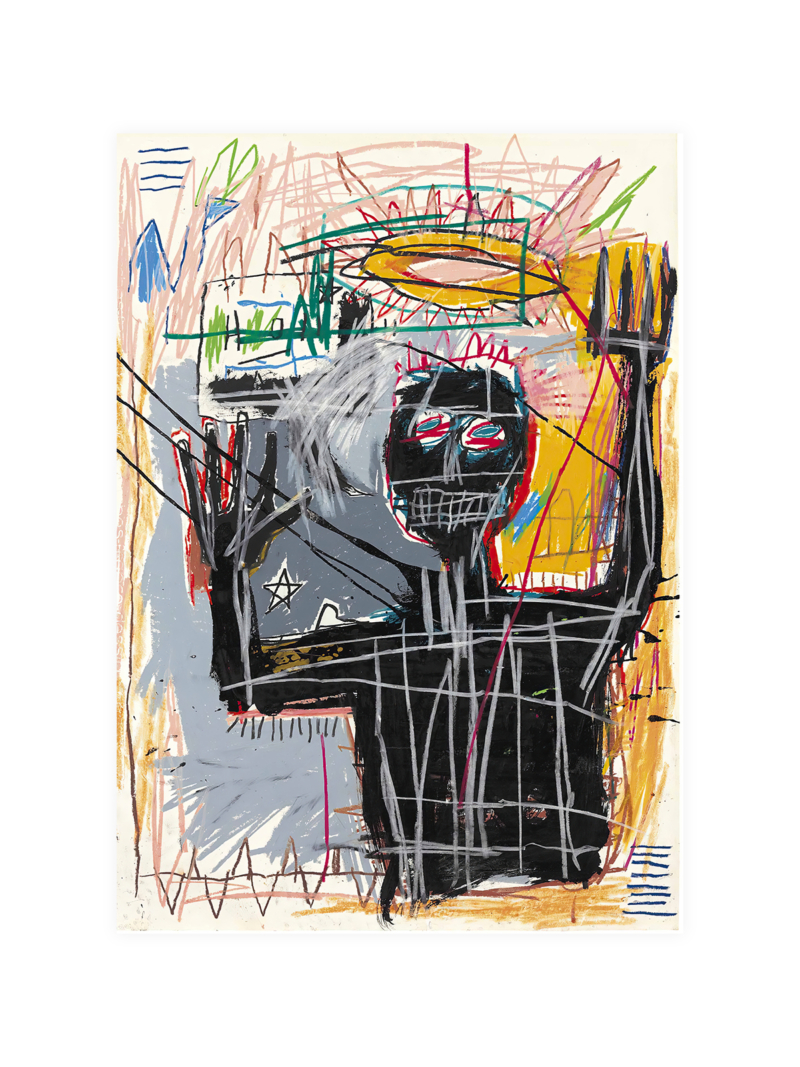
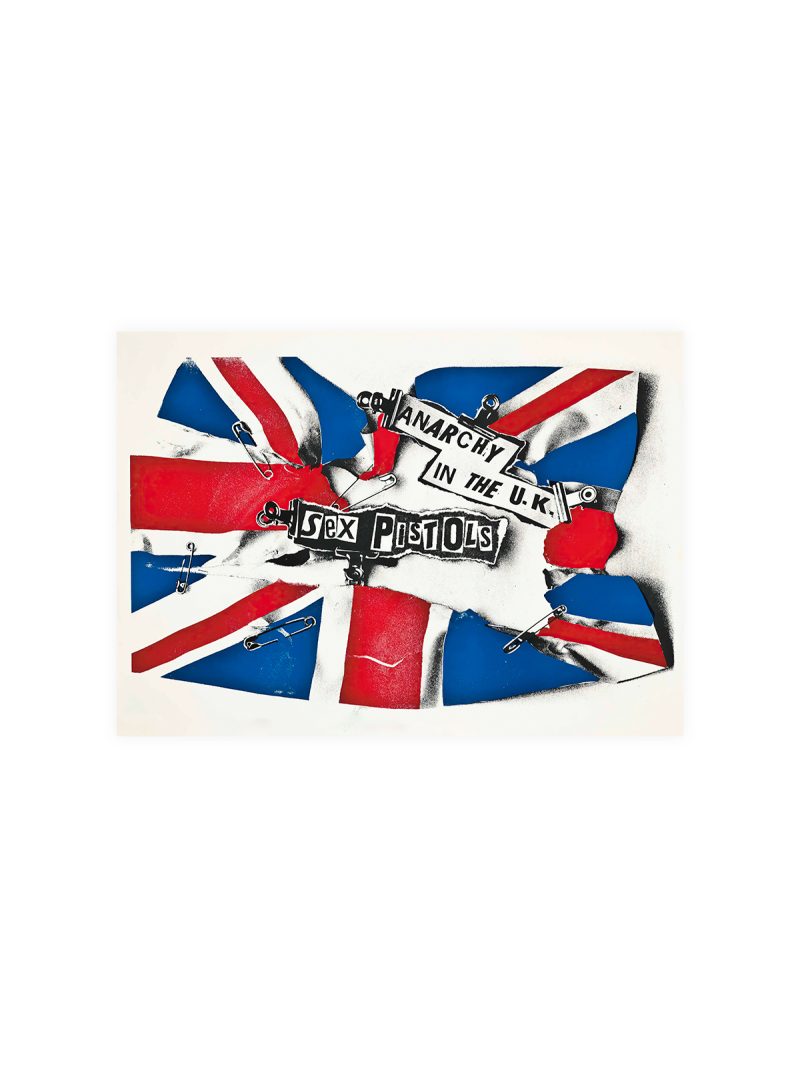
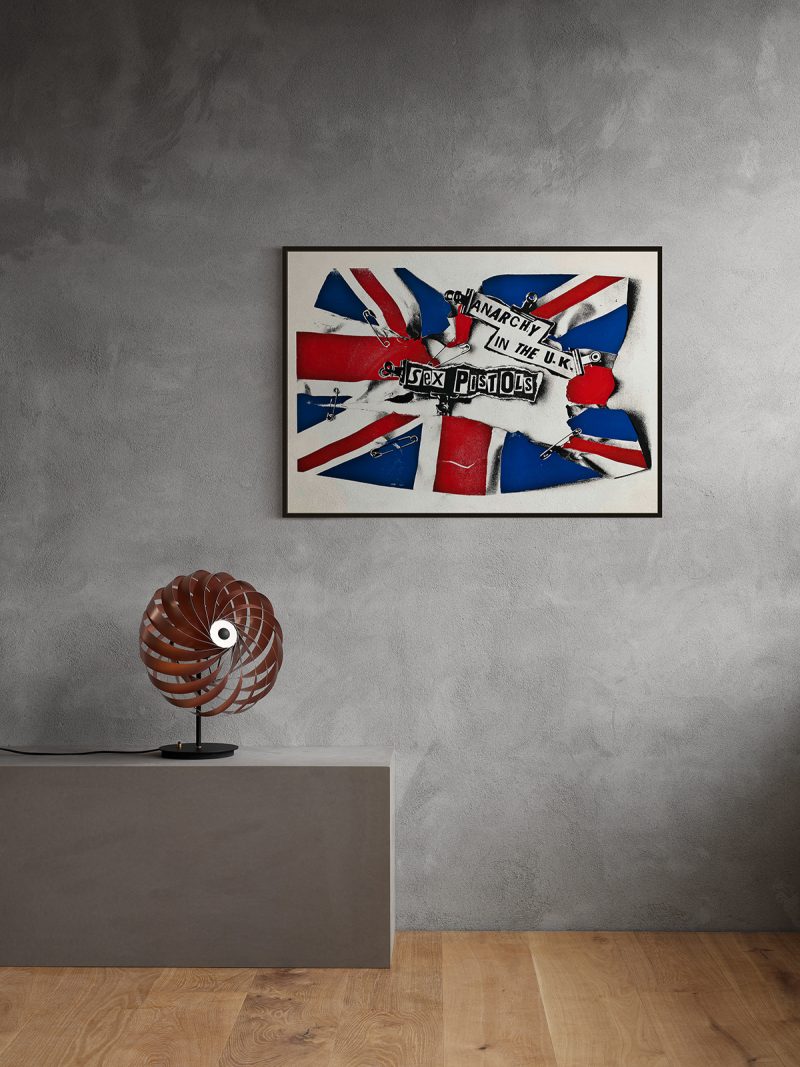
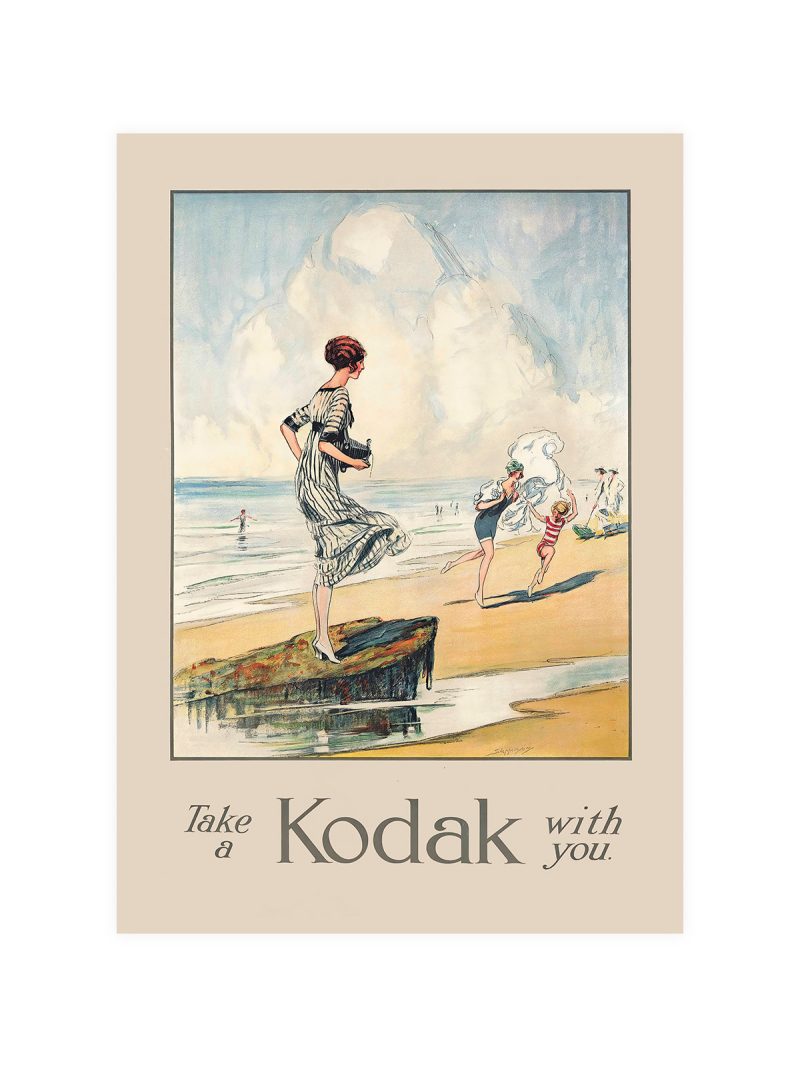
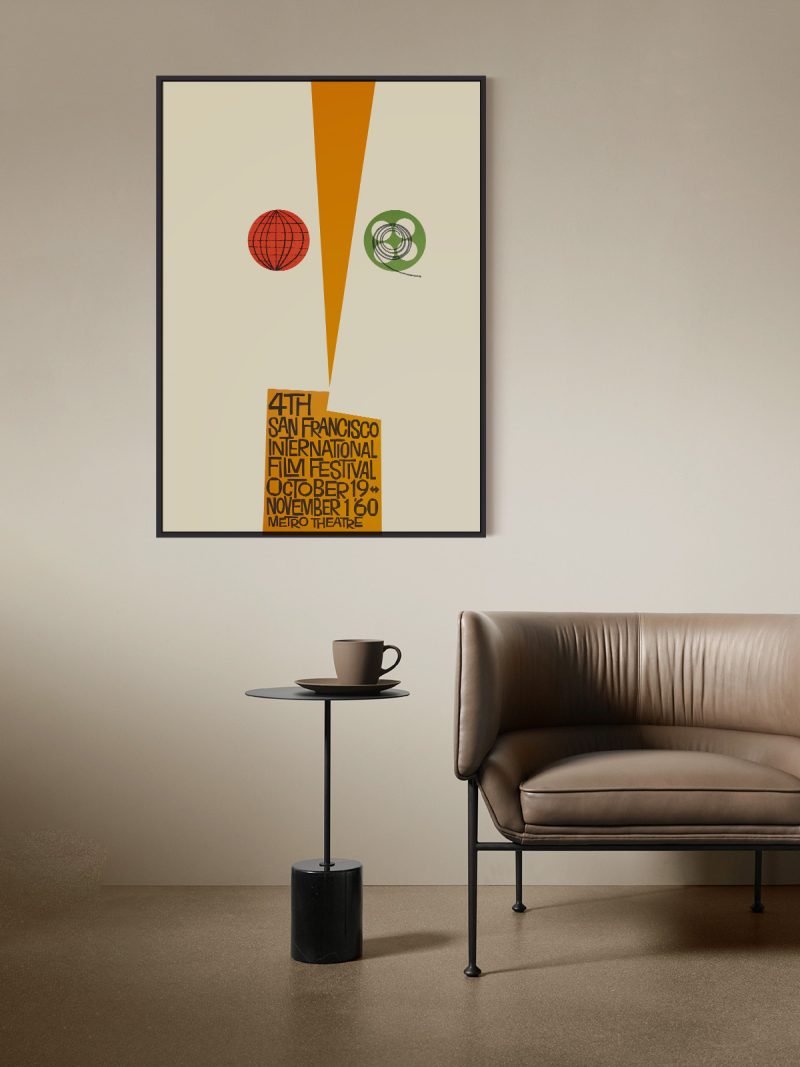


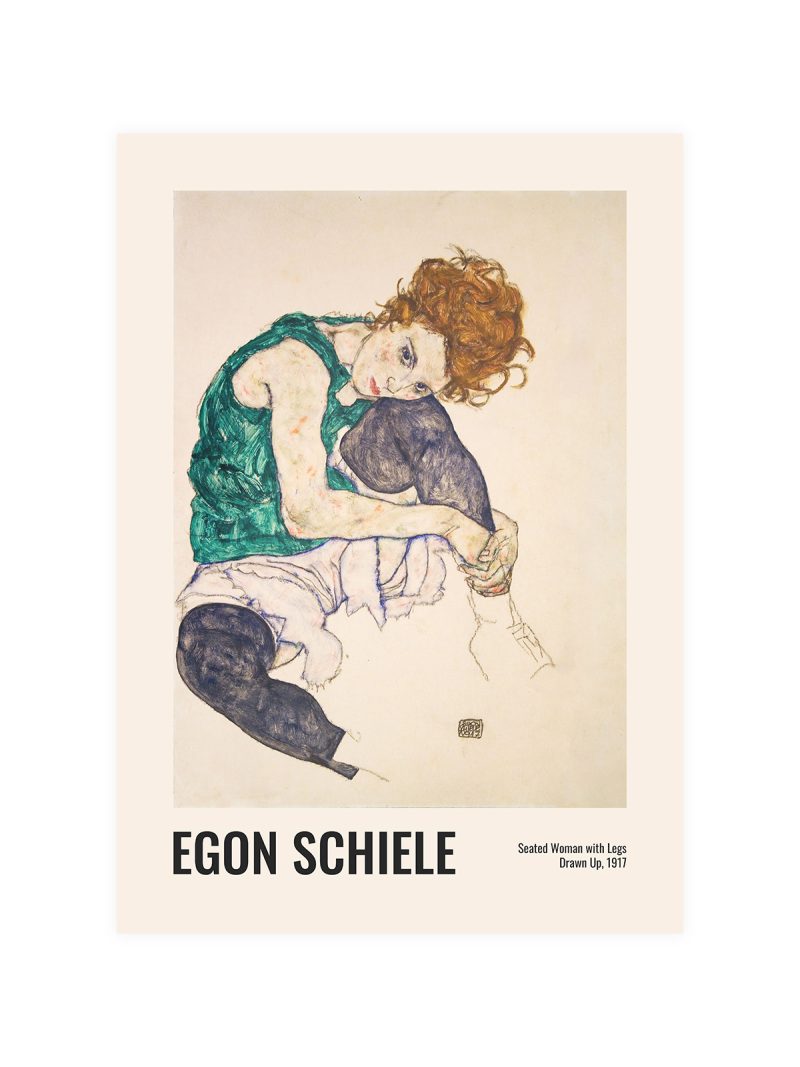
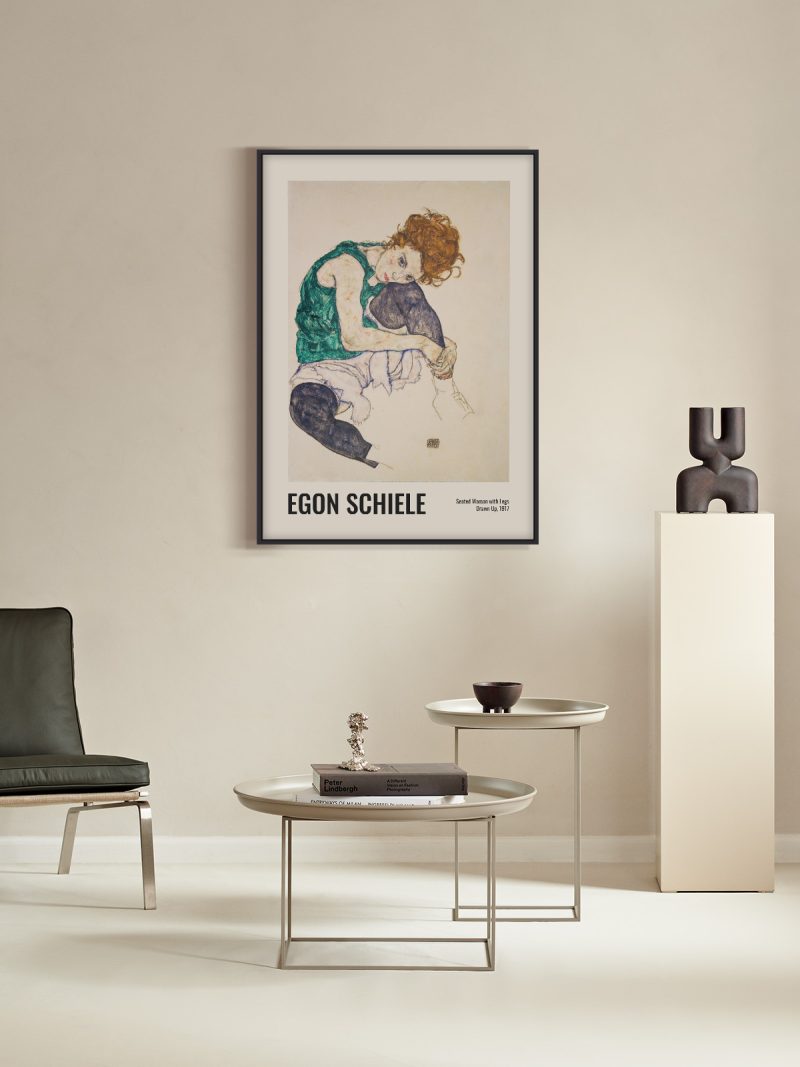
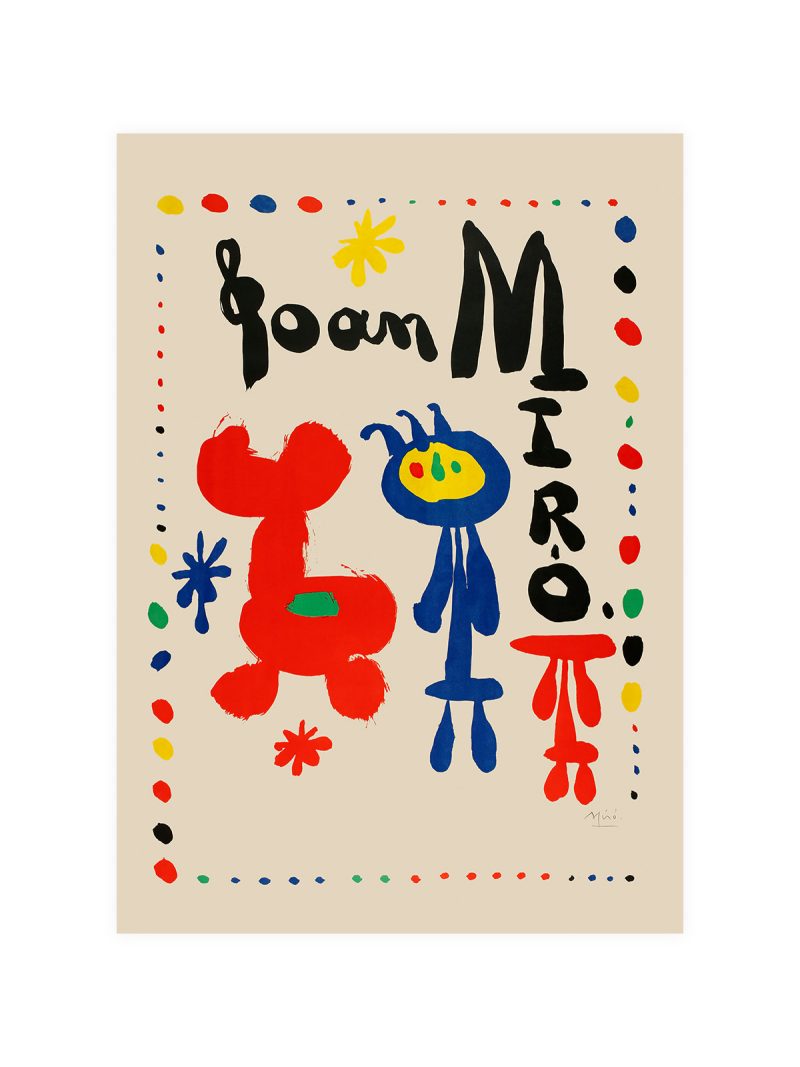
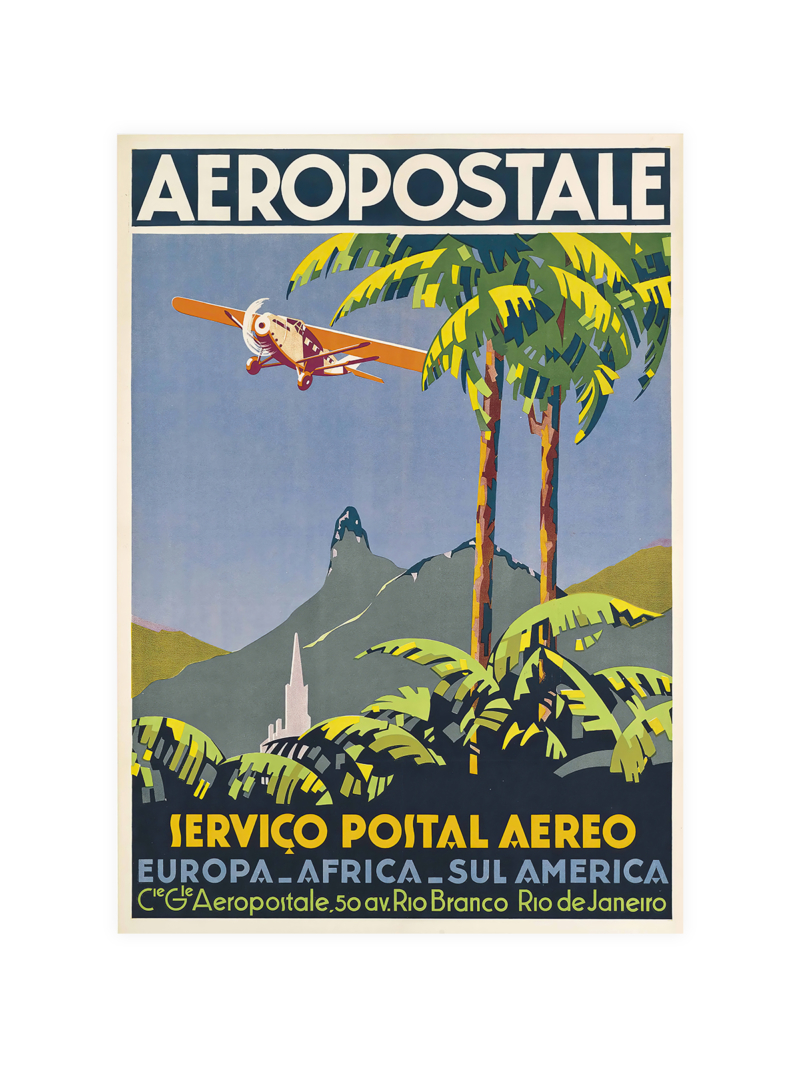
Colorful posters: saturated ink, on purpose
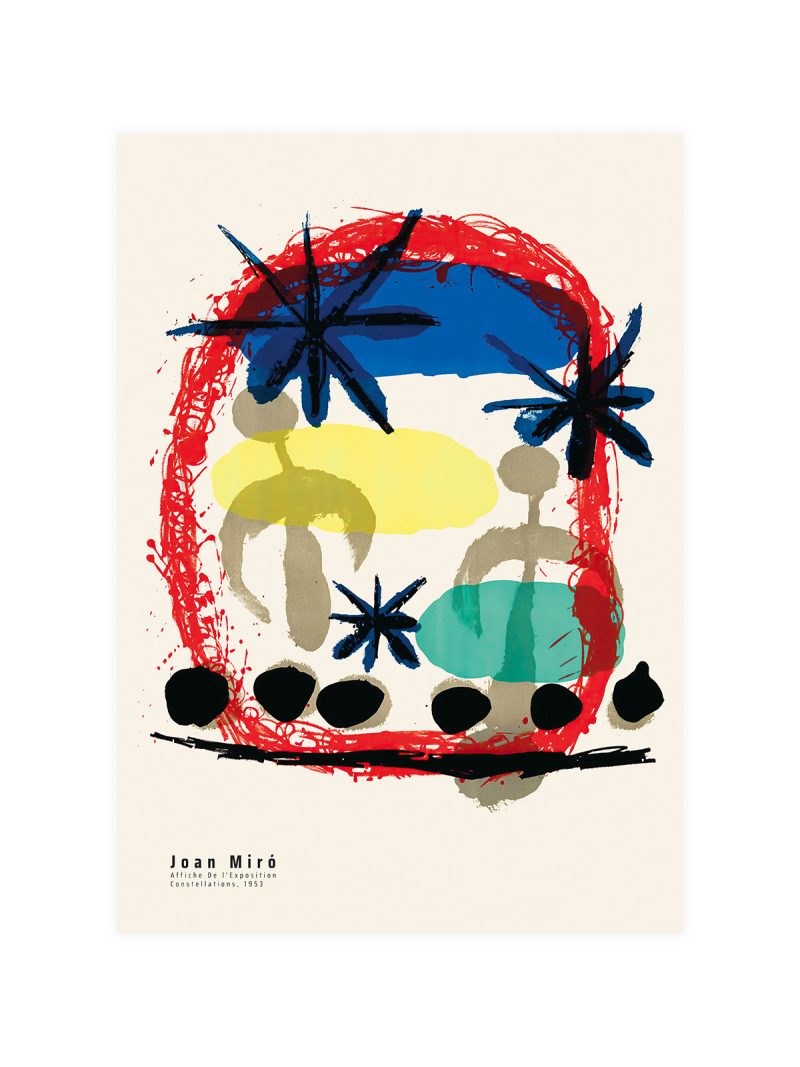
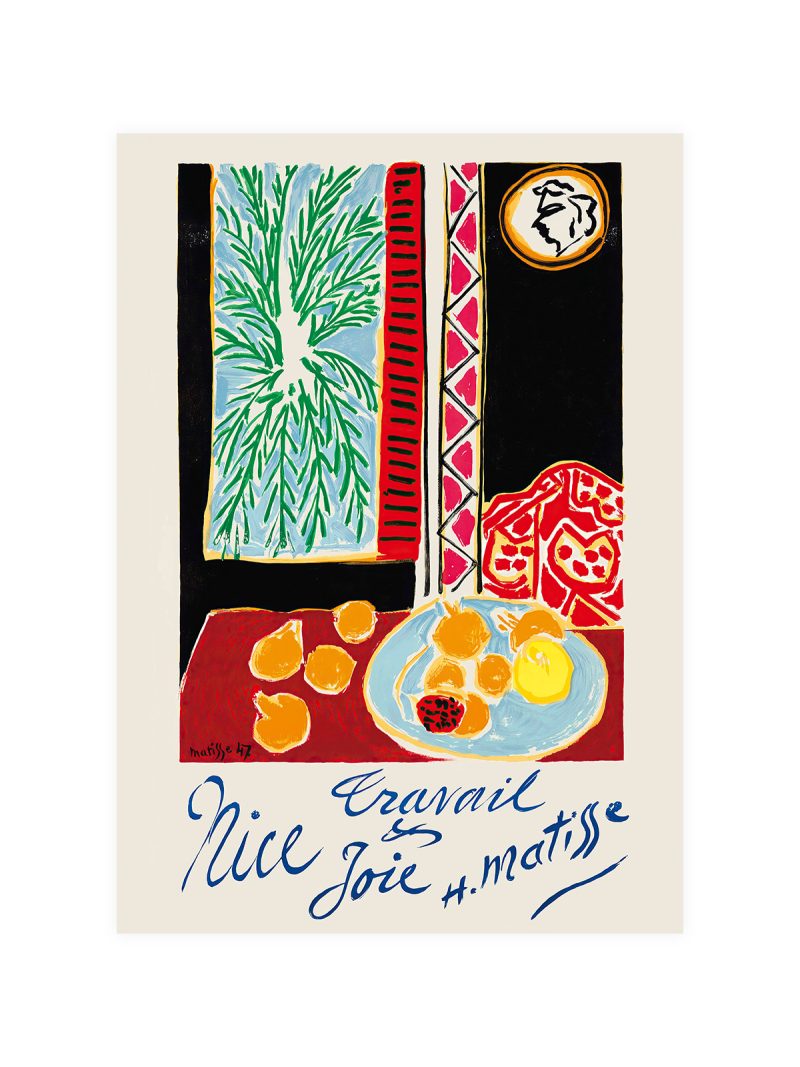
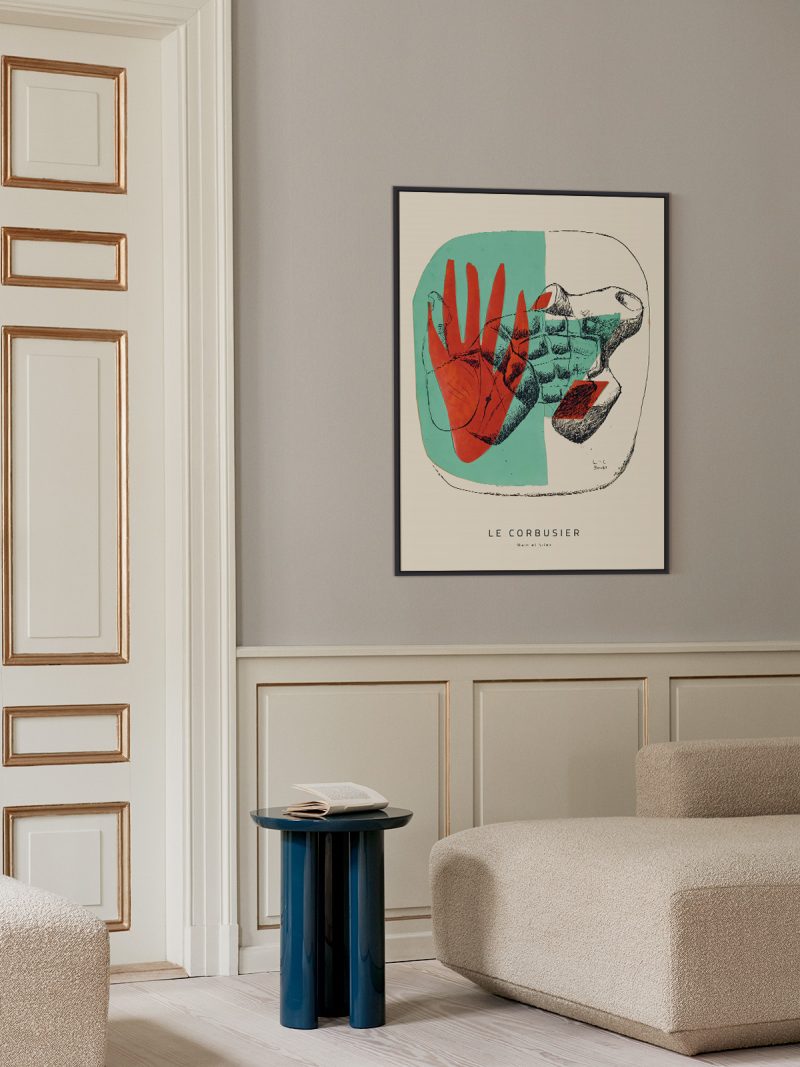
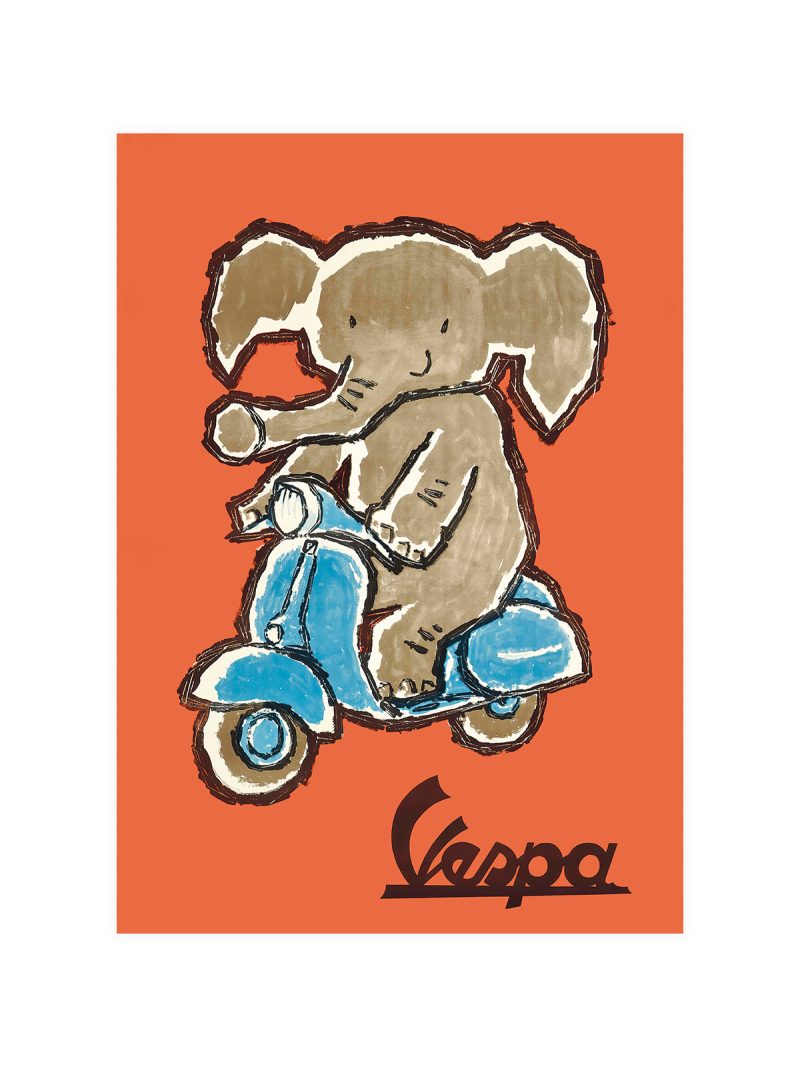
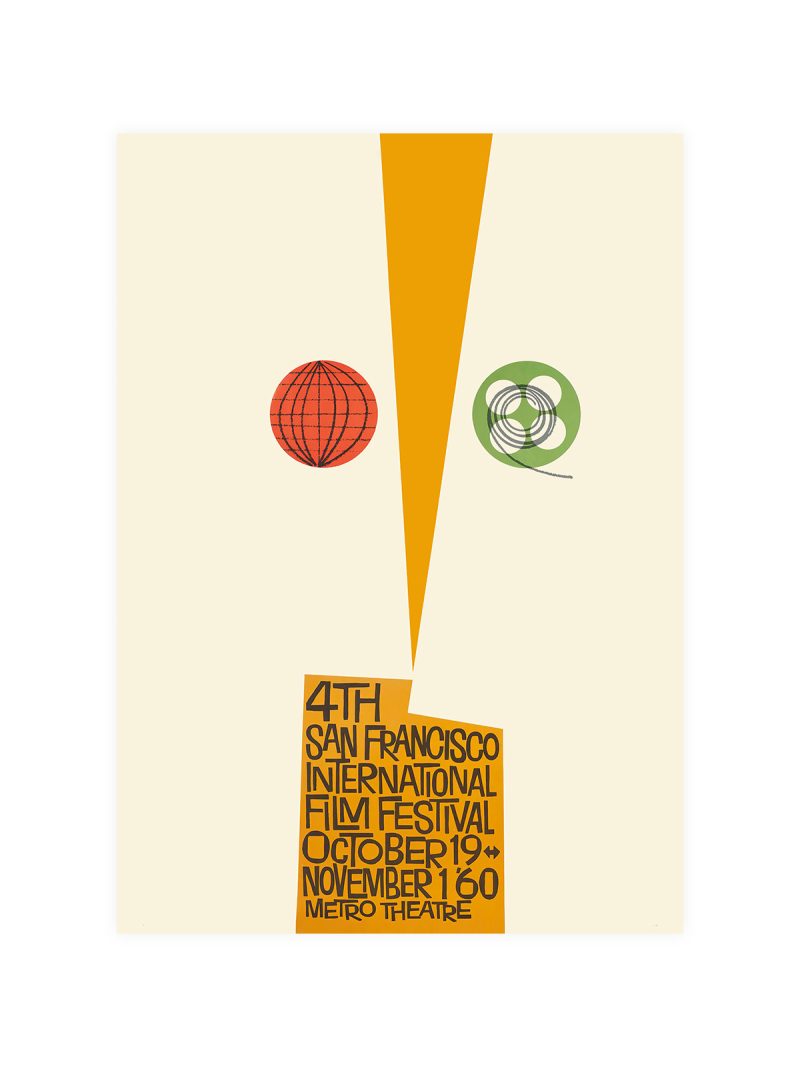
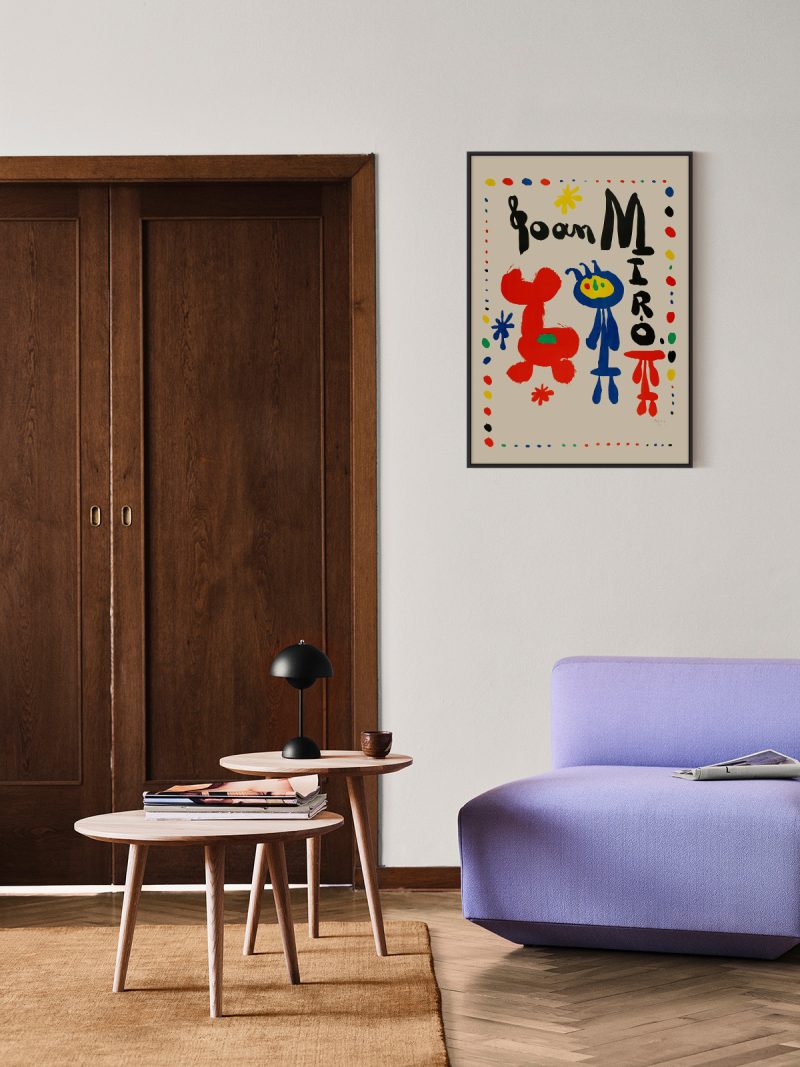
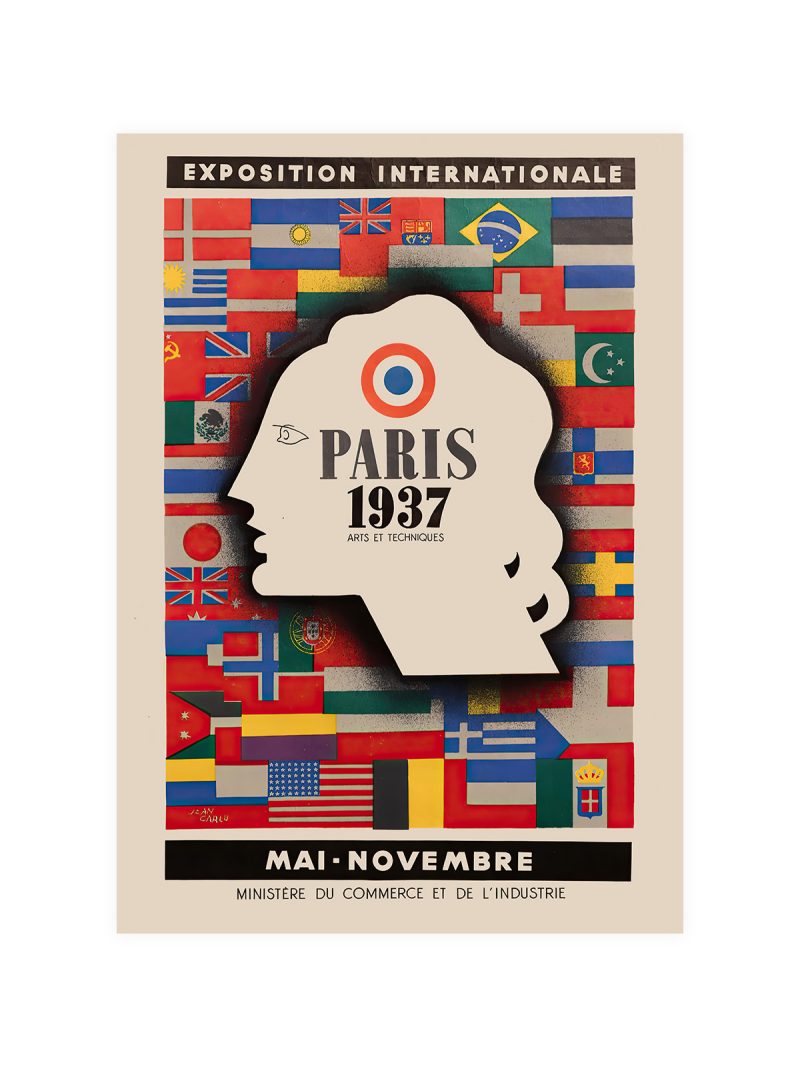
Before colour was a lifestyle, it was a selling tool. Posters were printed in four or five flat inks because that was what a press could run, and the limitation produced images that shout from across a room without a single gradient. That is still the most reliable way to brighten a wall: not a photograph with the saturation pushed up, but a design built out of flat areas.
What is in this collection
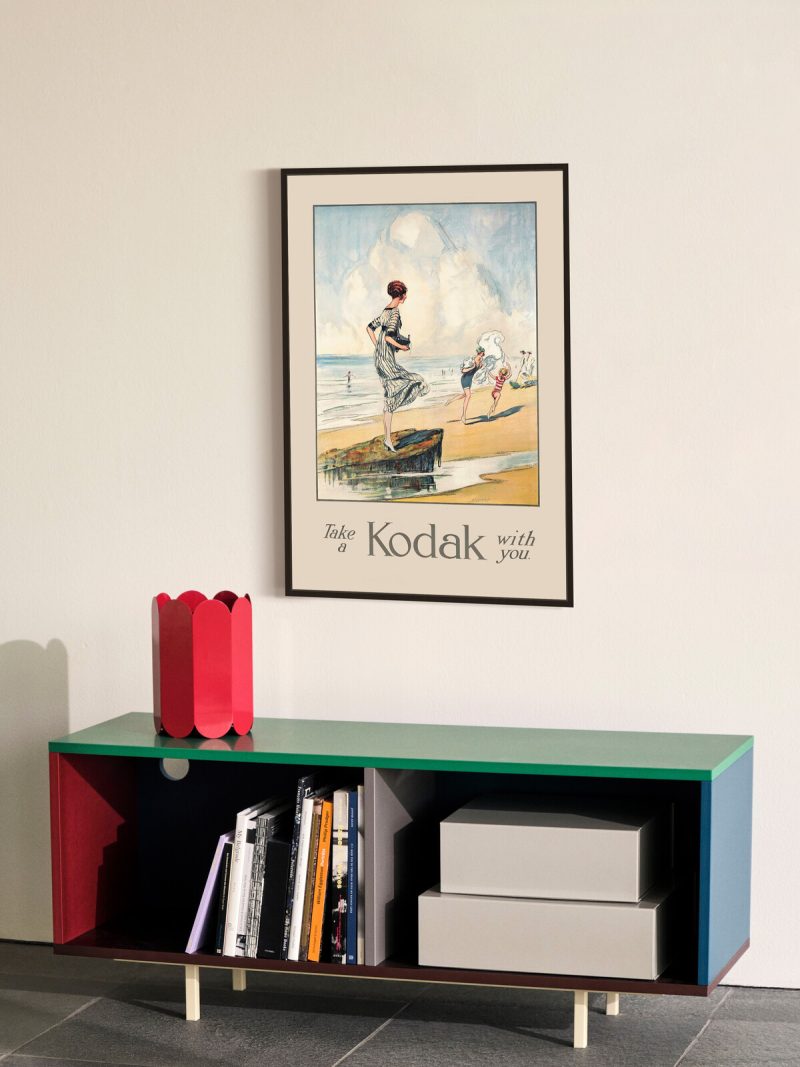
- Advertising and product — a cheese advert, CafiAspirina, Take a Kodak with You and Michelin.
- Film and B-movies — Forbidden Planet, Attack of the 50 Ft Woman, Kung Fu Halloween and Godzilla.
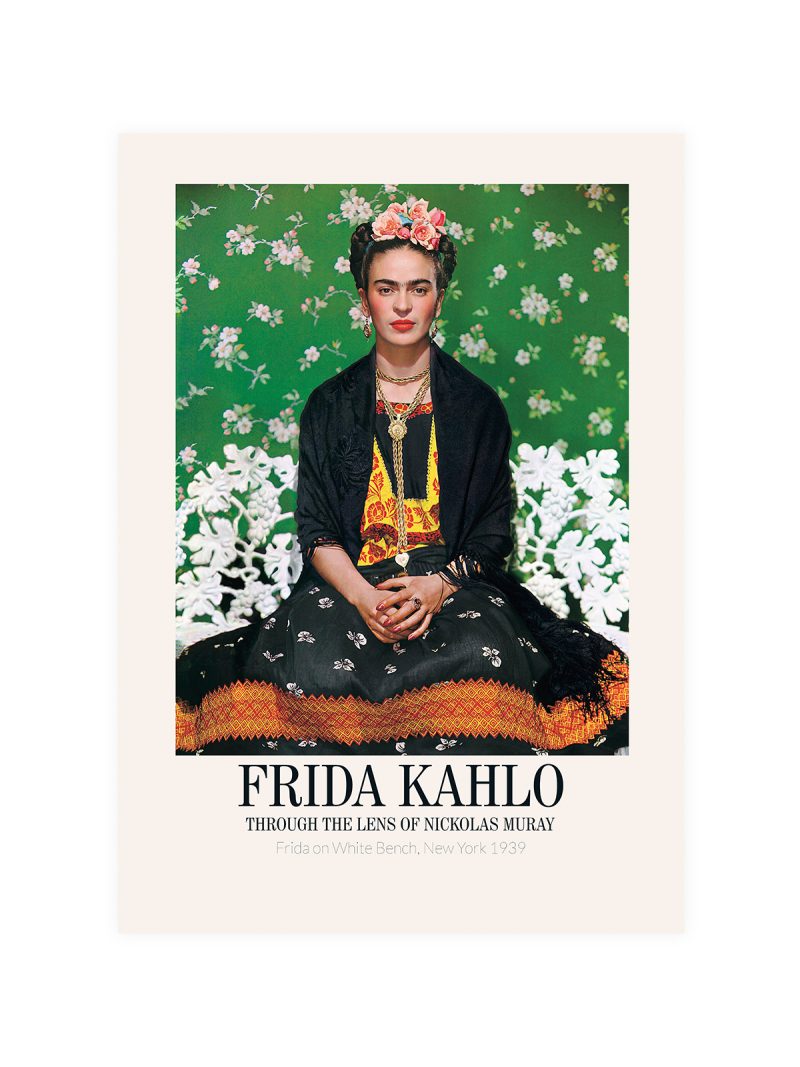
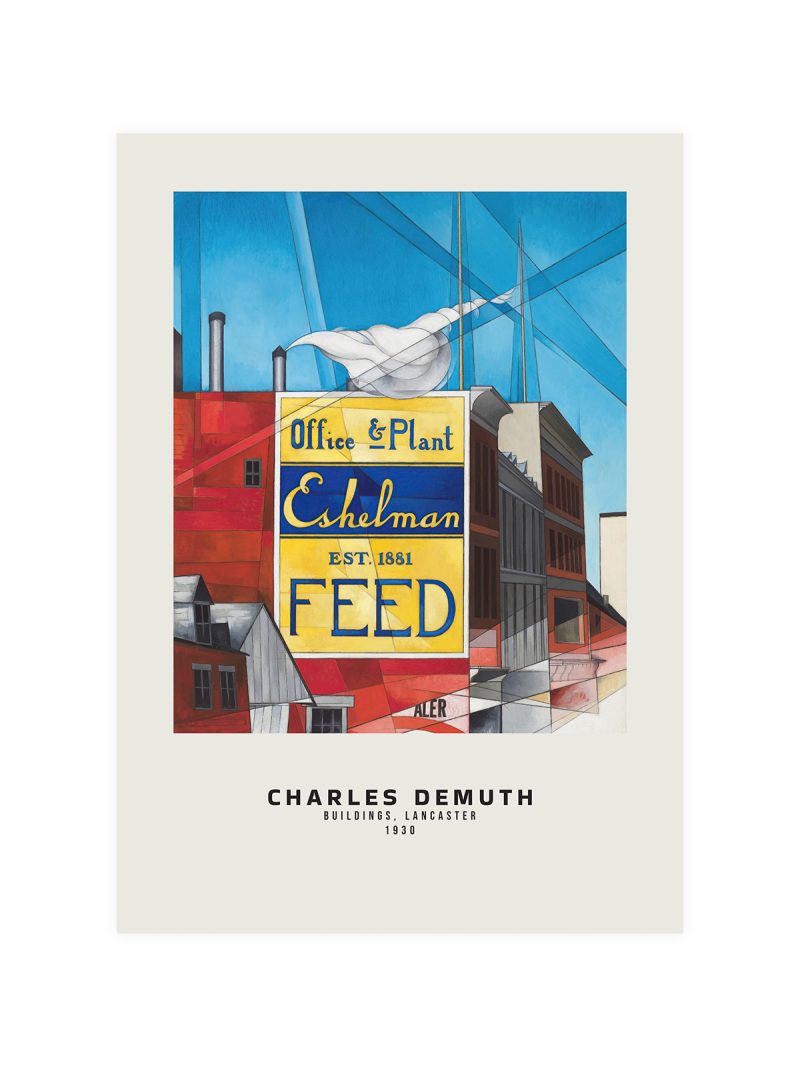
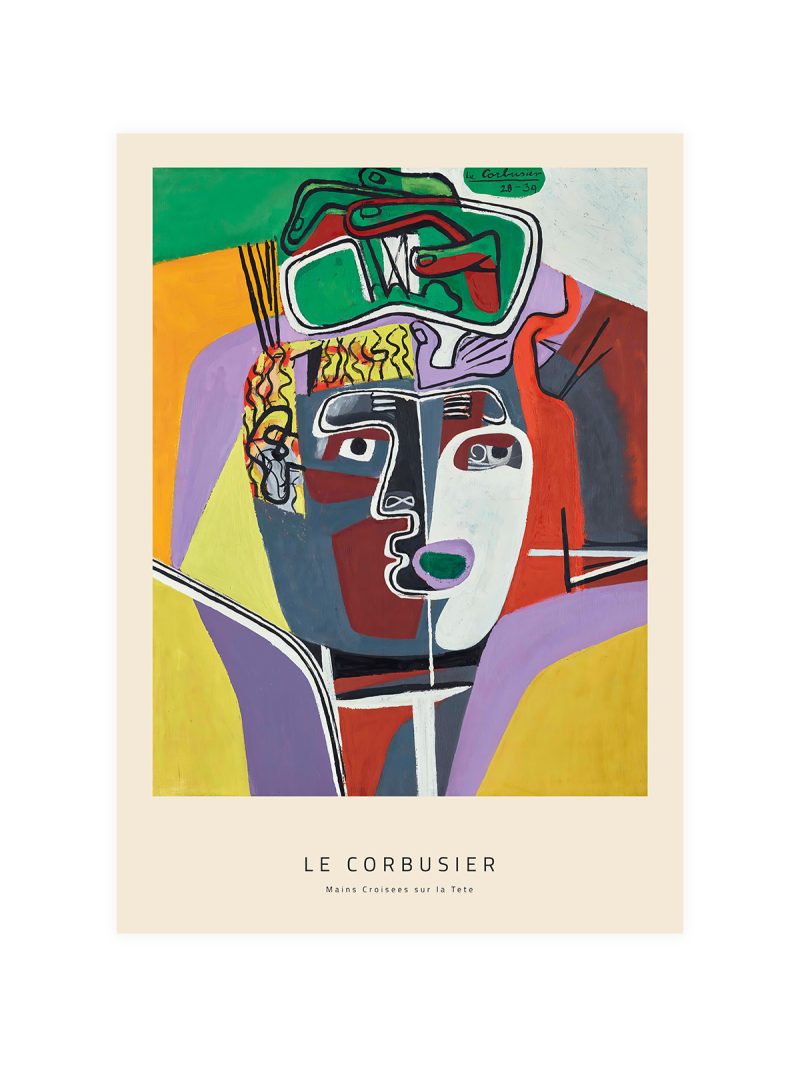
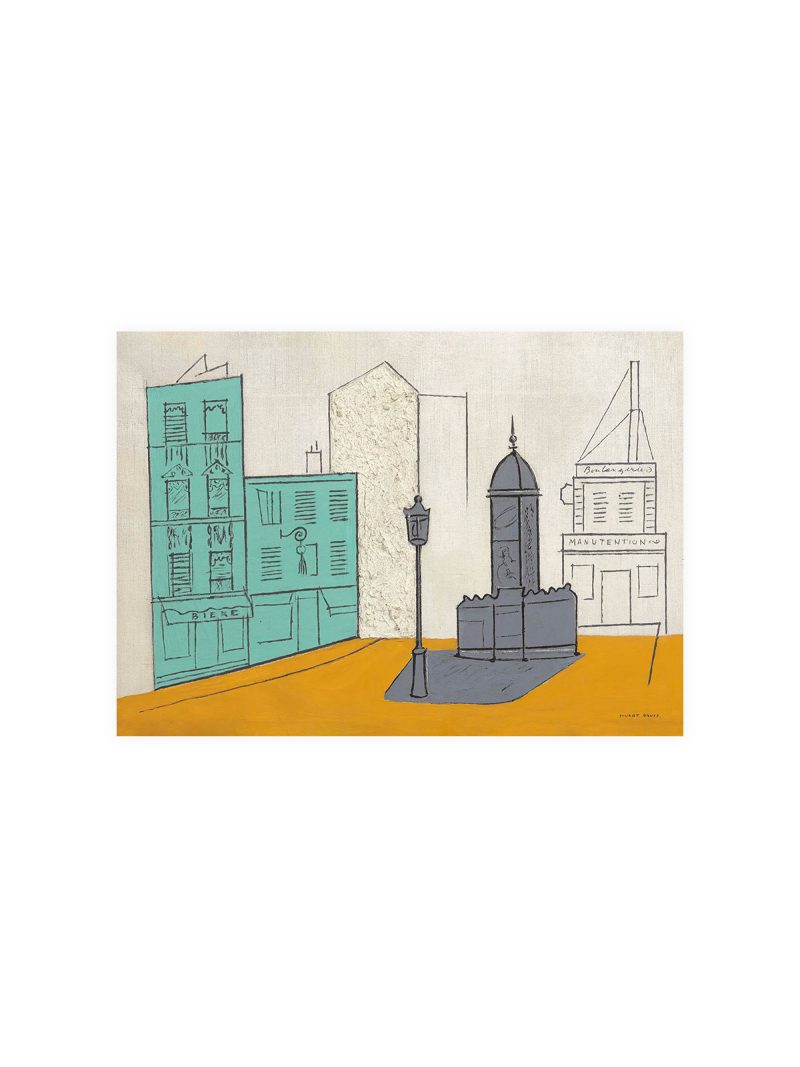
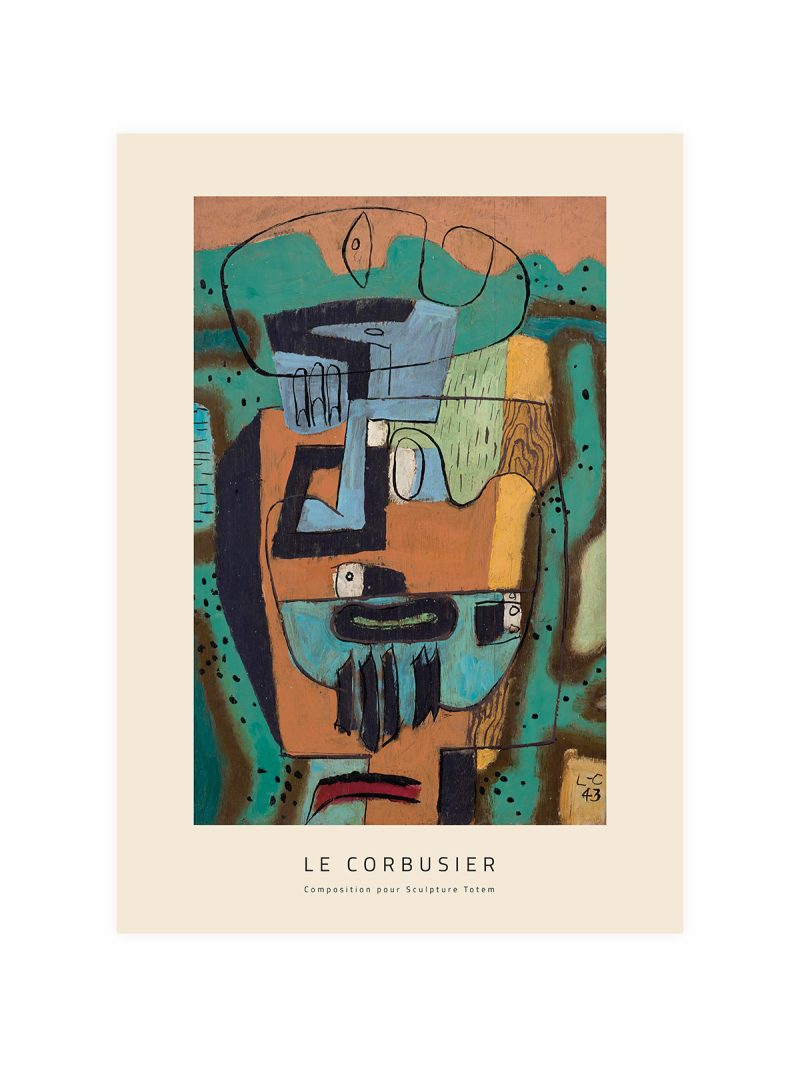
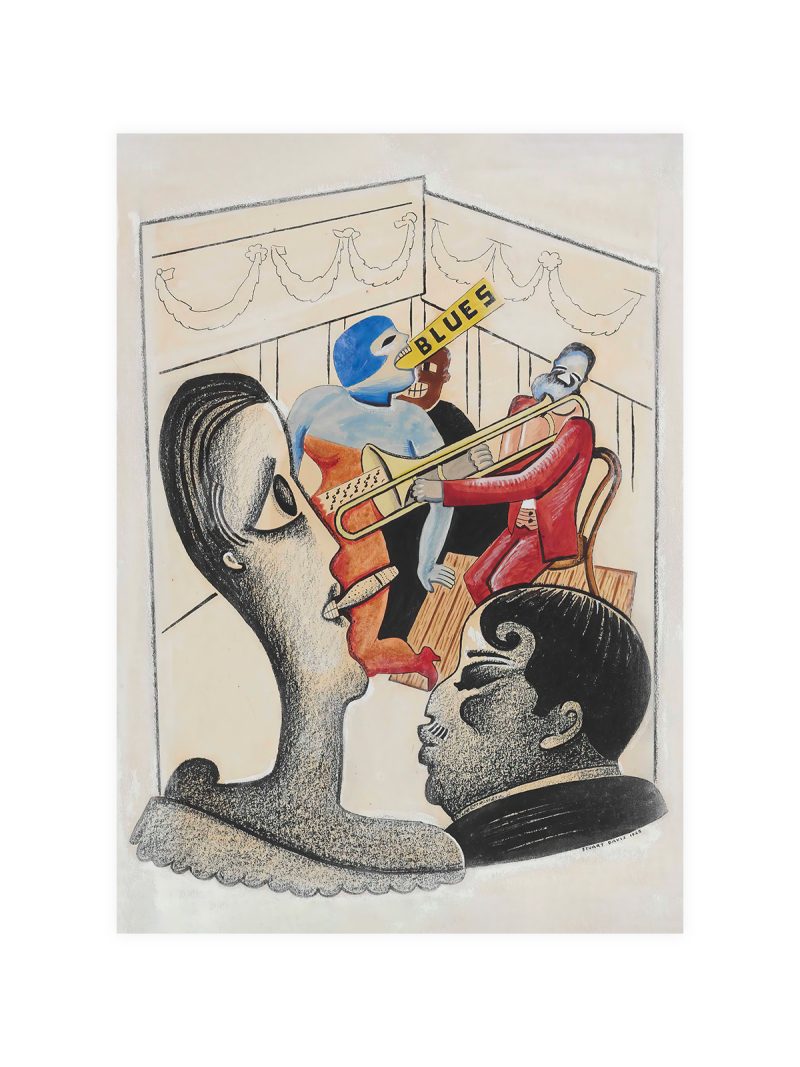
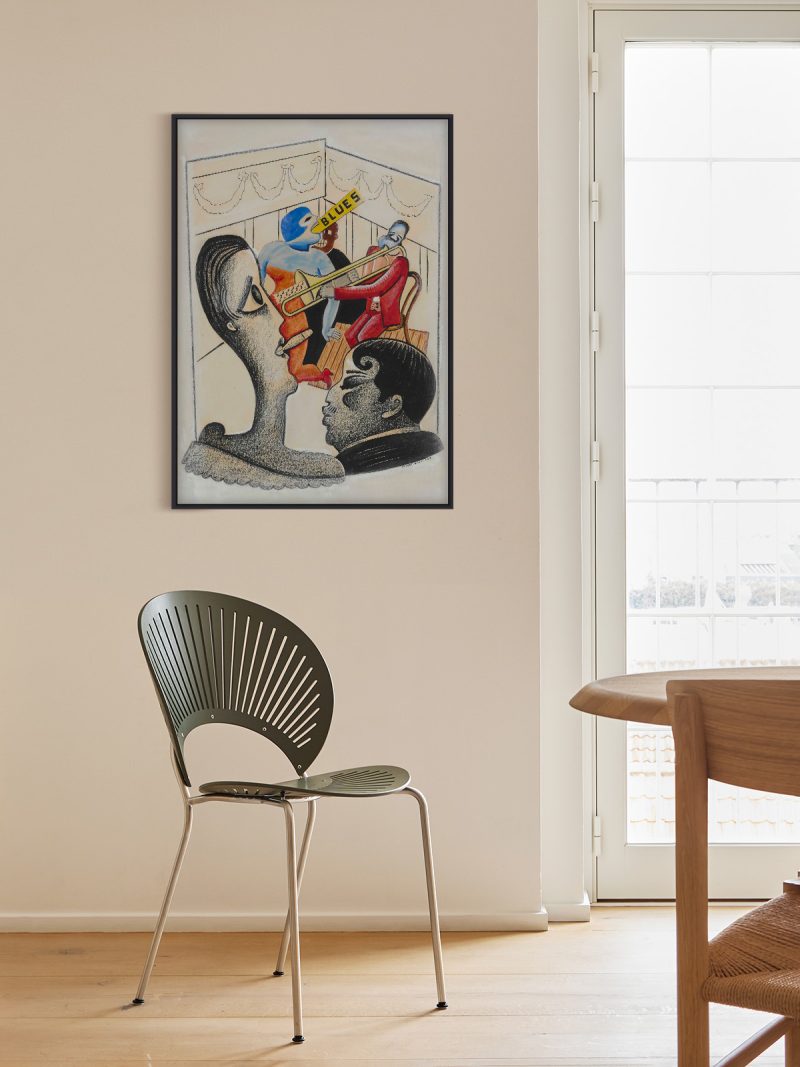
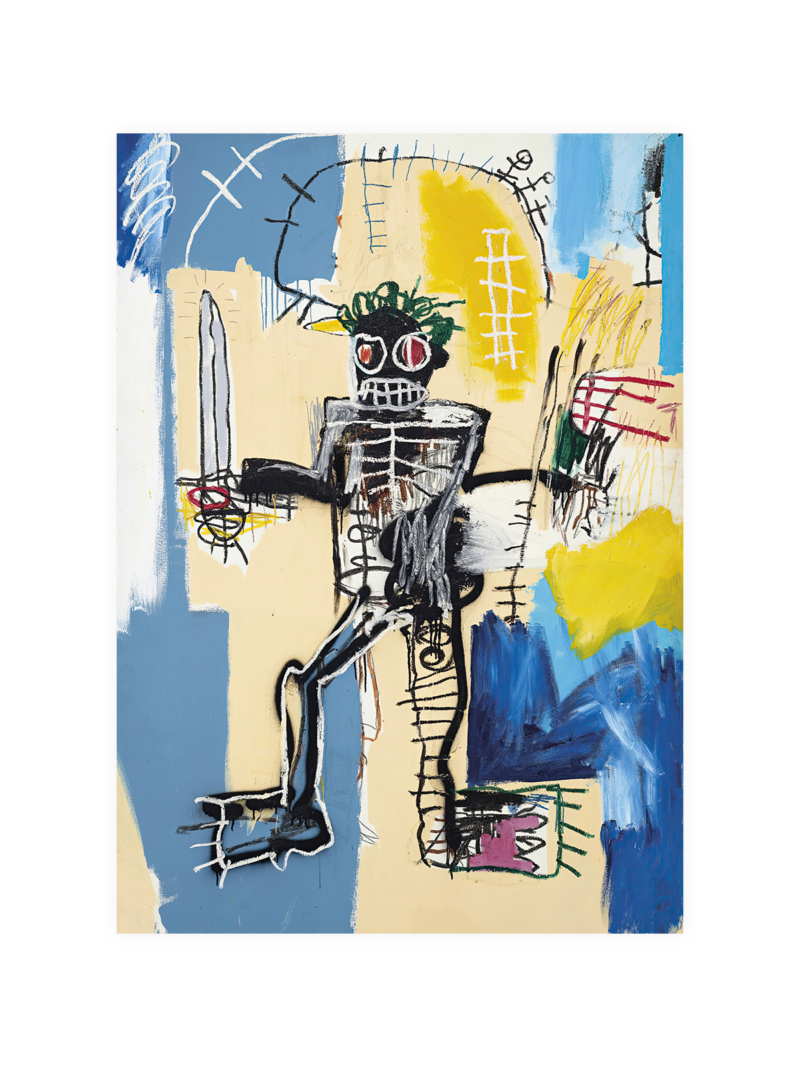
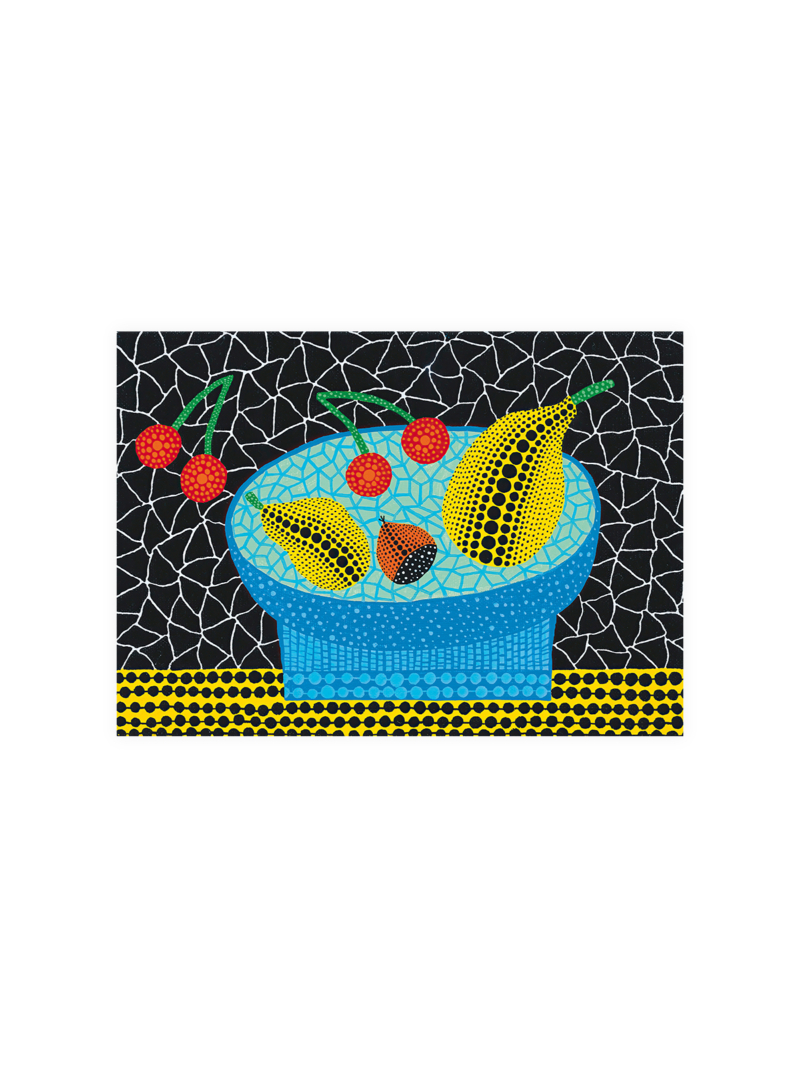
- Artists in colour — Basquiat, Kusama's flowers, Stuart Davis and the blues and Frida Kahlo.
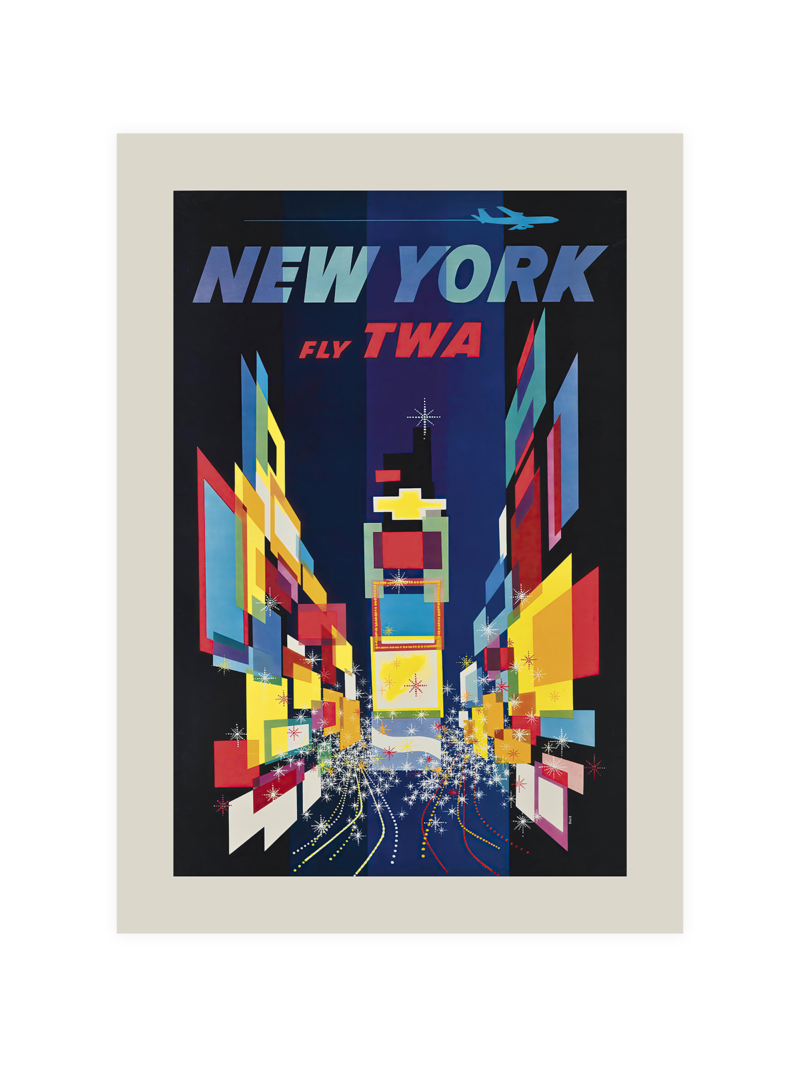
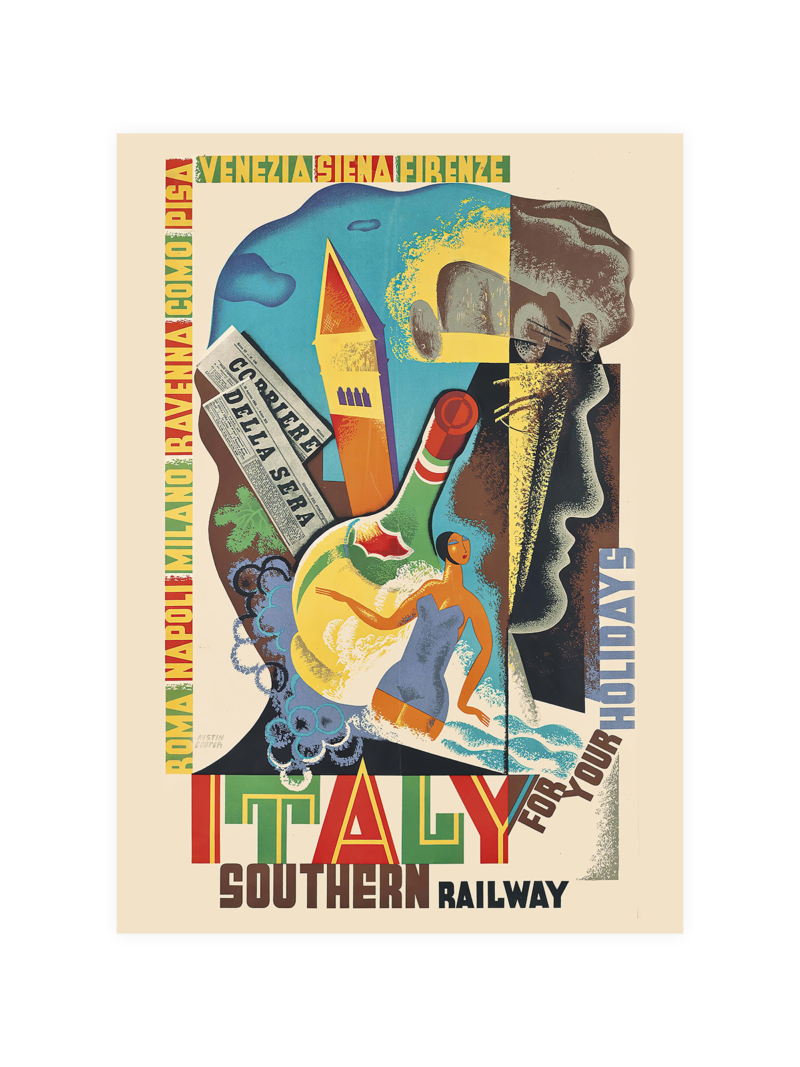
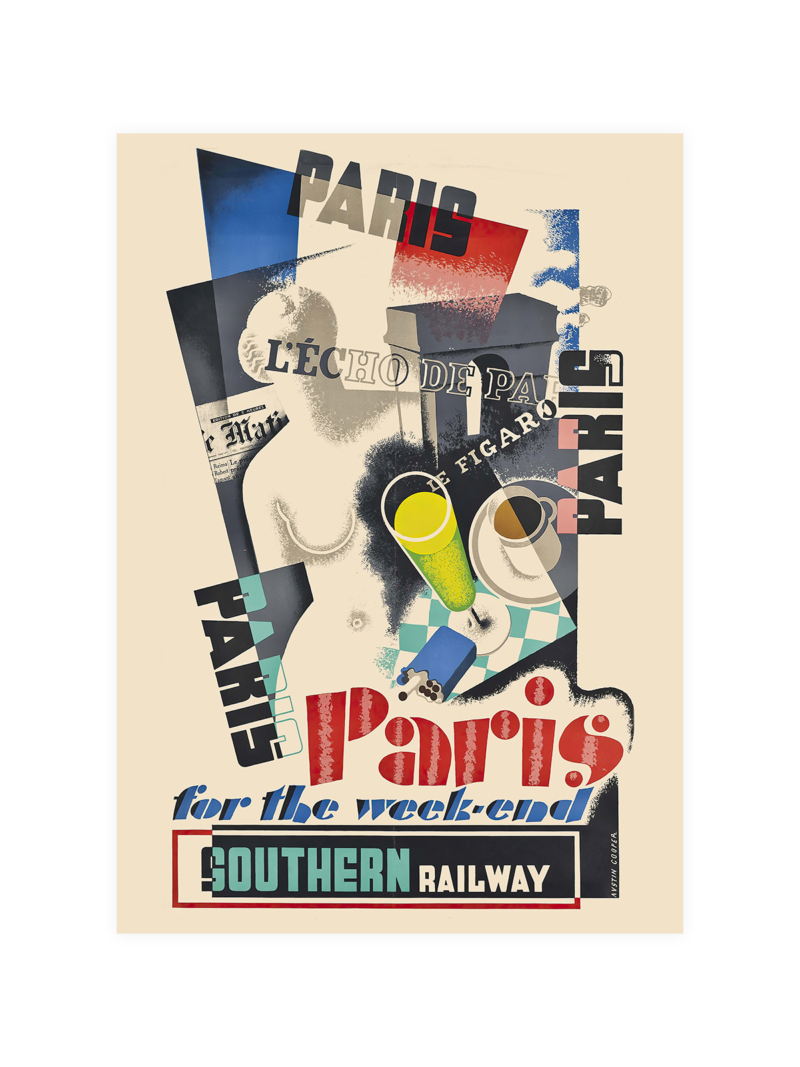
- Travel and transport — Japan Railways, Vespa, Le Mans and Intergalactic Ramen.
How to put colour on a wall without wrecking it
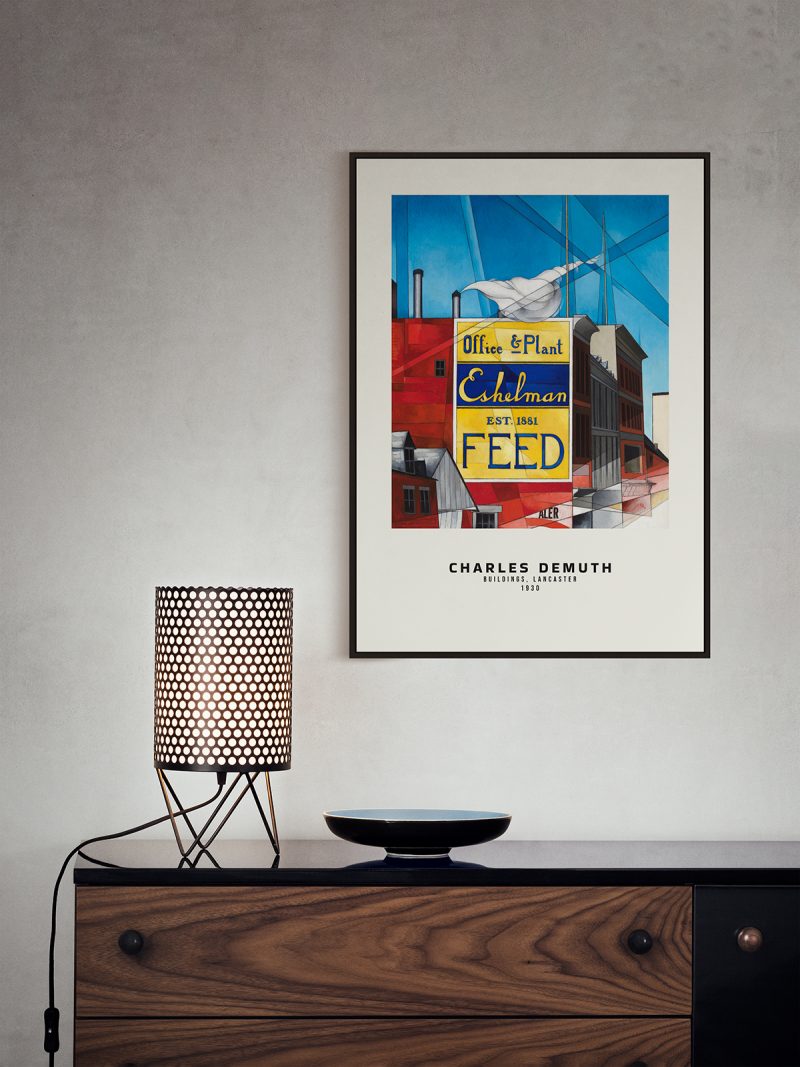
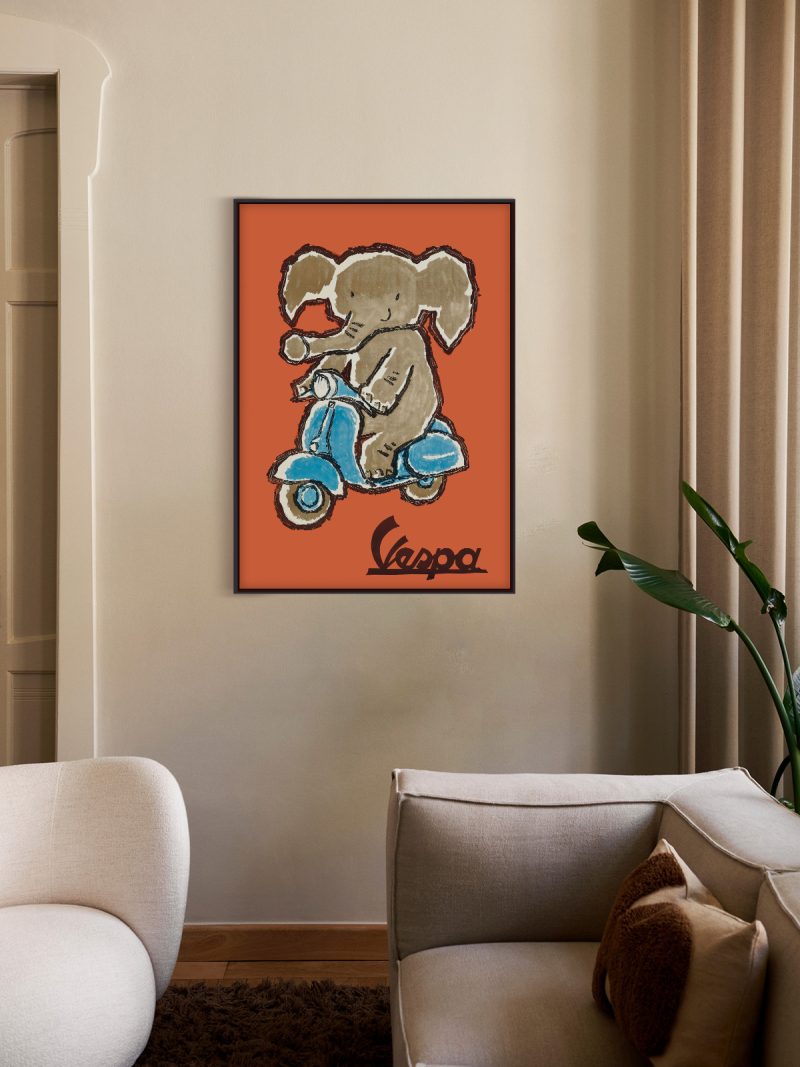
One is a statement, two are a pair, five are a mess — unless the five share a palette. The rule that saves most walls is to let a single poster carry the colour and keep everything around it quiet: white paint, wood, one plant, nothing else framed.
If you want more than one, pick them by the dominant hue rather than by subject. Three prints built on red-orange will read as a collection even when one is a car race and another is a film bill; three prints in unrelated bright hues will read as clutter no matter how good each one is.
Frames change the colour
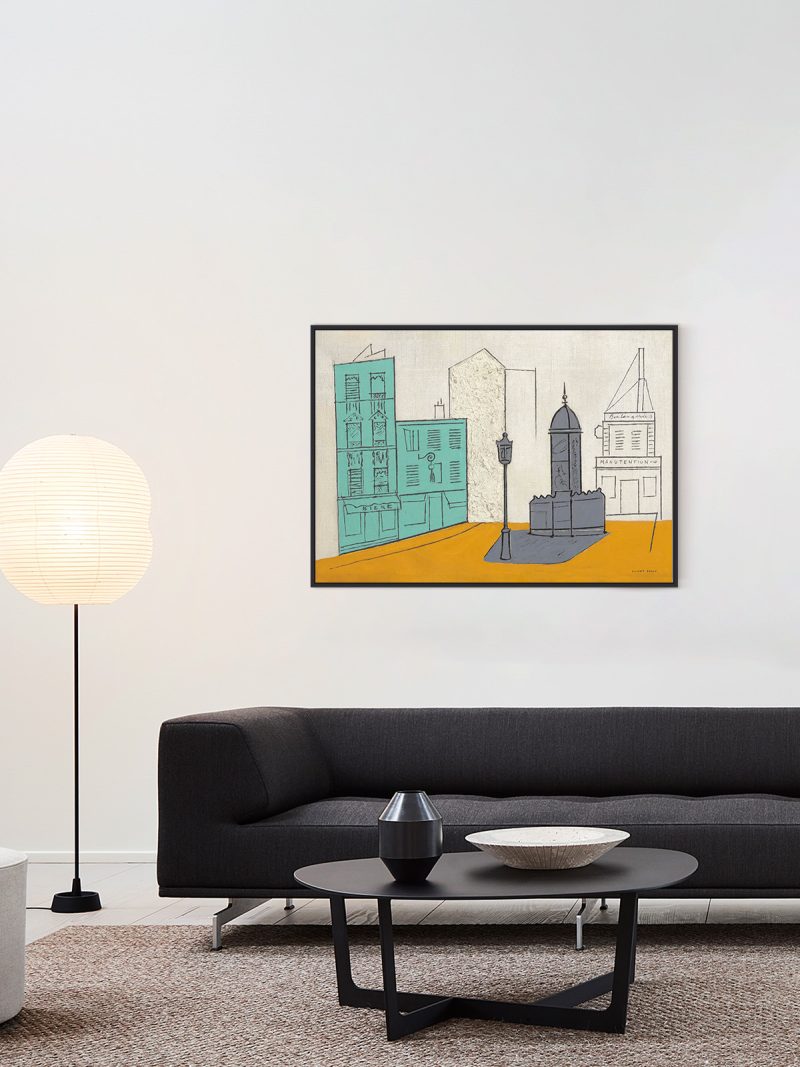
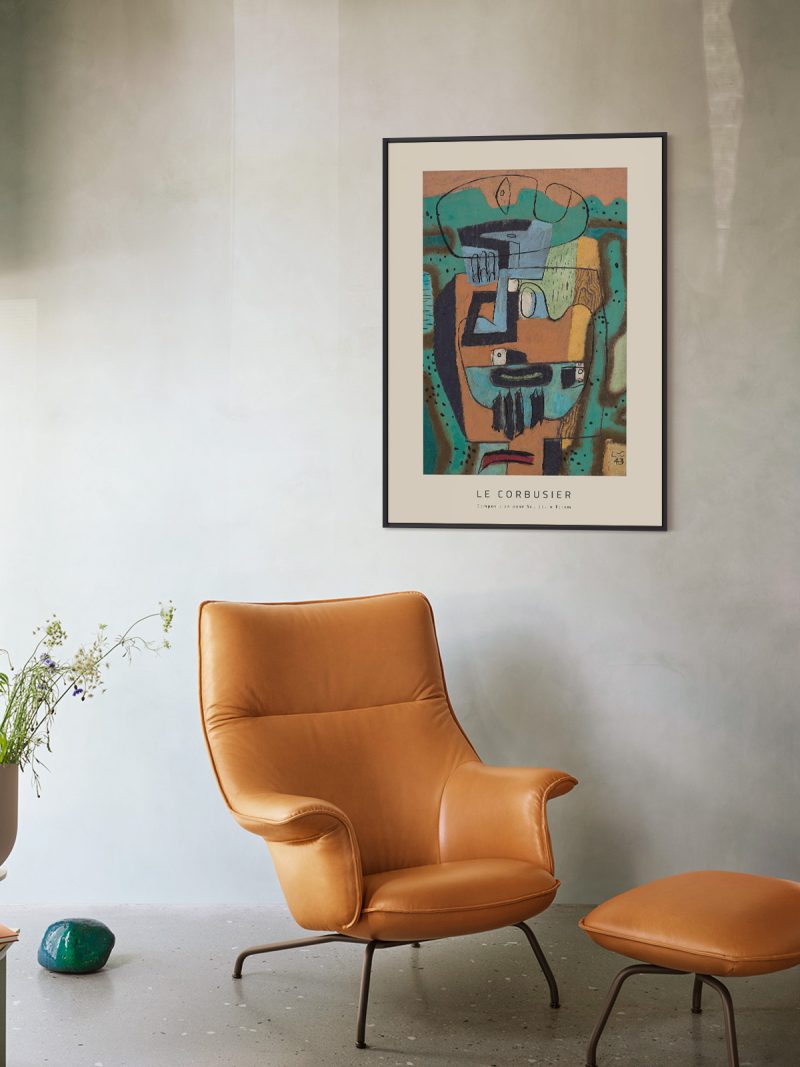
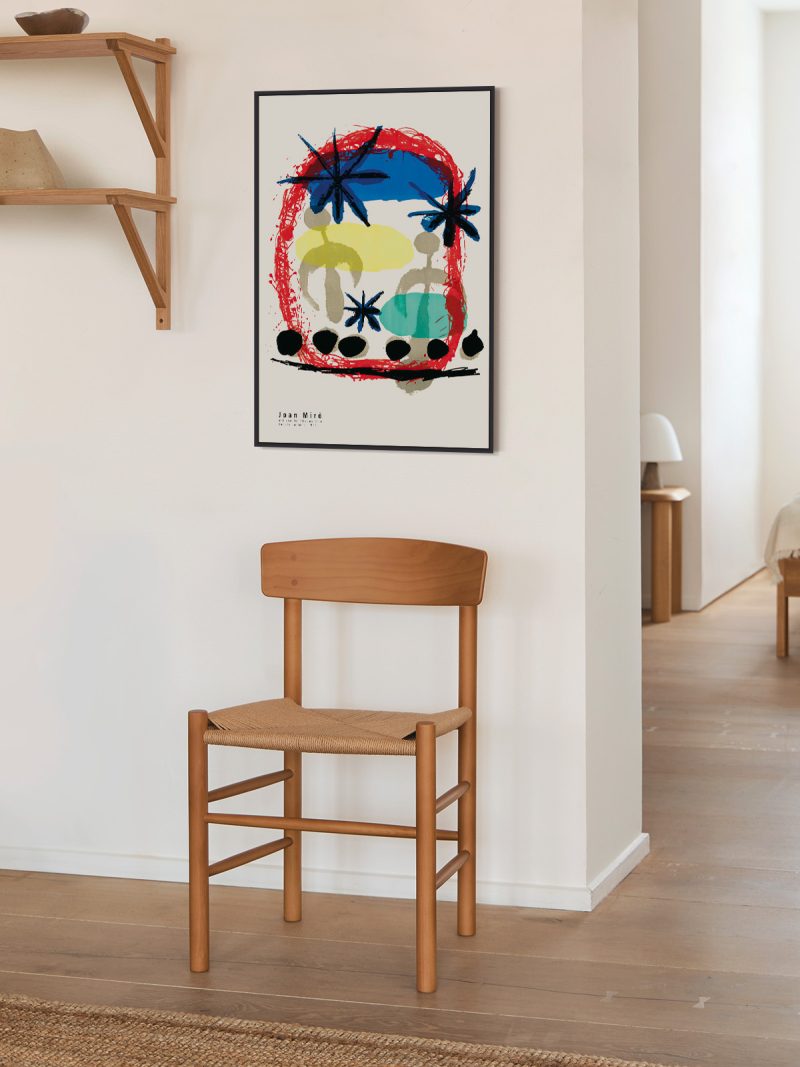
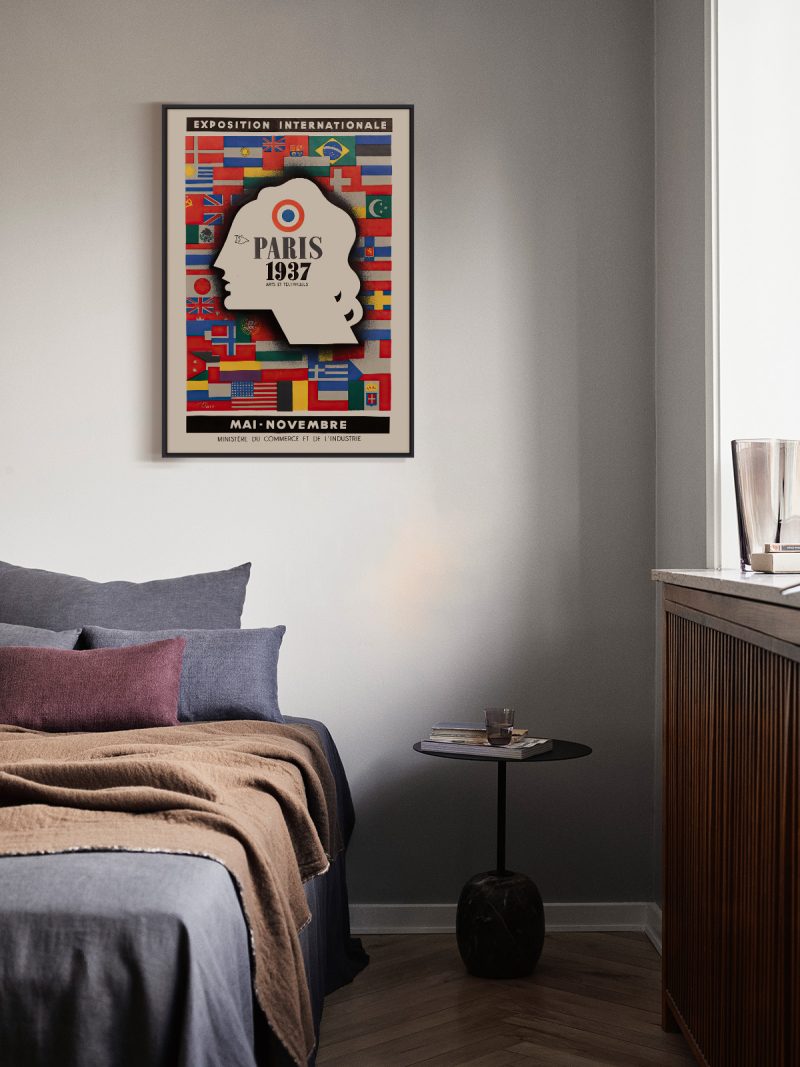
A black frame raises contrast and makes flat ink look harder, which suits the advertising and film sheets. A thin oak frame softens everything and is the better choice for the travel and food posters. A wide white mount is the third option, and the one that lets a very loud print sit in a calm room without dominating it.
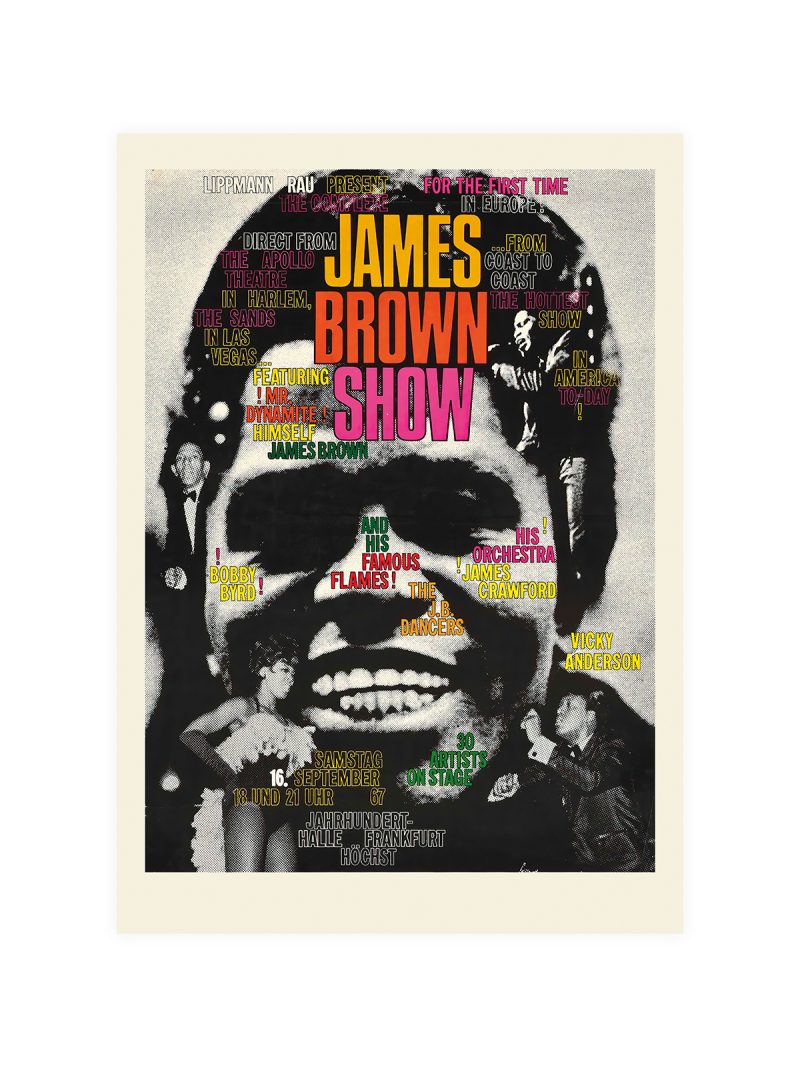
Keep the poster out of direct sun: flat areas of ink fade evenly, and an evenly faded poster looks like a printing error rather than an old print. For a quieter palette with the same era, see travel; for the concert side, music; if you are choosing a colour to build a room around, start from the colour index.
Sizes, paper and delivery
Pigment print on 210 gsm Hahnemühle paper, sizes from 30×40 to 70×100 cm plus A3 and A2. Frame not included. Orders leave the studio within 24 business hours and arrive in 3–5 working days inside the EU, in a tracked tube.