Details
The image
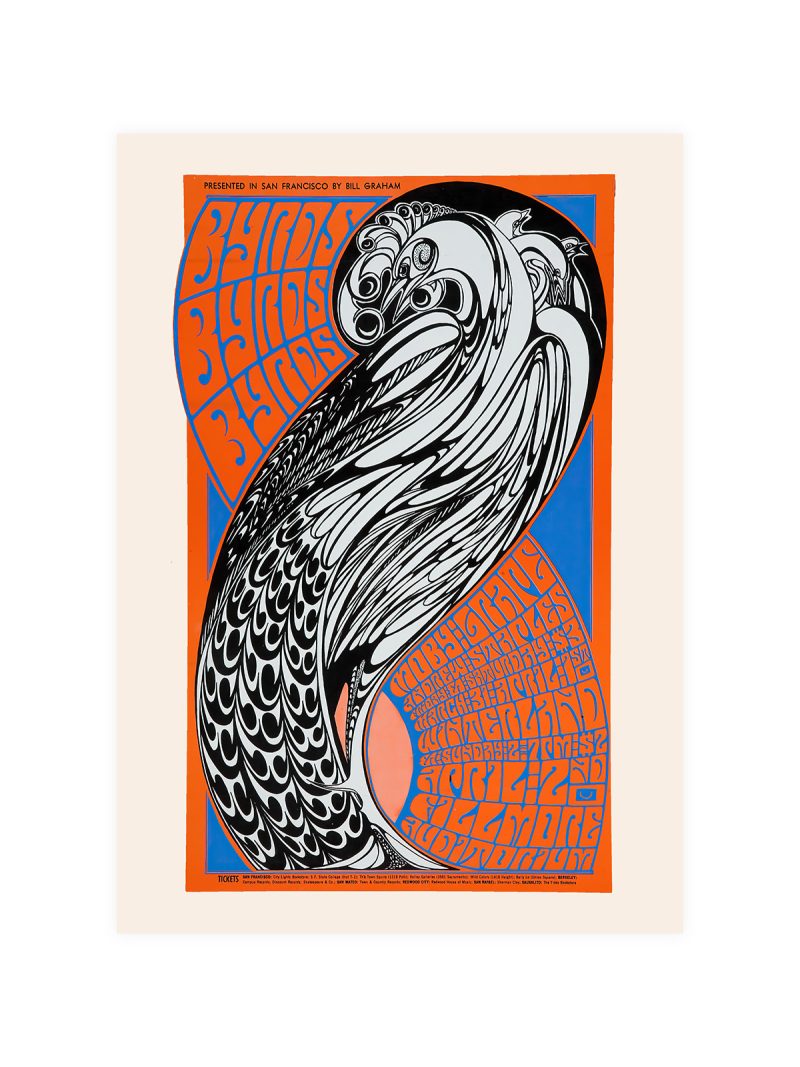
A crane drawn as a construction rather than as a machine: masts, cables and counterweights arranged in a strict grid, the lettering set into the structure instead of beside it. The palette is limited to two notes and the perspective is flattened, so the whole sheet reads as a diagram.
Where it comes from
Post-war Polish poster design treated infrastructure as a legitimate subject for graphic art: harbours, bridges and cranes were drawn as compositions rather than as reportage. The habit came from a school that regarded a commission as a work of design, and it produced a body of images in which engineering is remembered as form.
On the wall
It suits a study, a loft or a hallway with industrial furniture, where heavy forms and flat colour belong. Because the composition is angular and dense, it needs a plain wall around it. In a large room it becomes the structural element of the arrangement.
In company
The spacing and the weight of line carry across the whole Uwaga Inwazja collection.In a group it should be the most graphic piece, with softer material on either side, and the thin lines of the cables need a wall that is not textured.