Details
The image
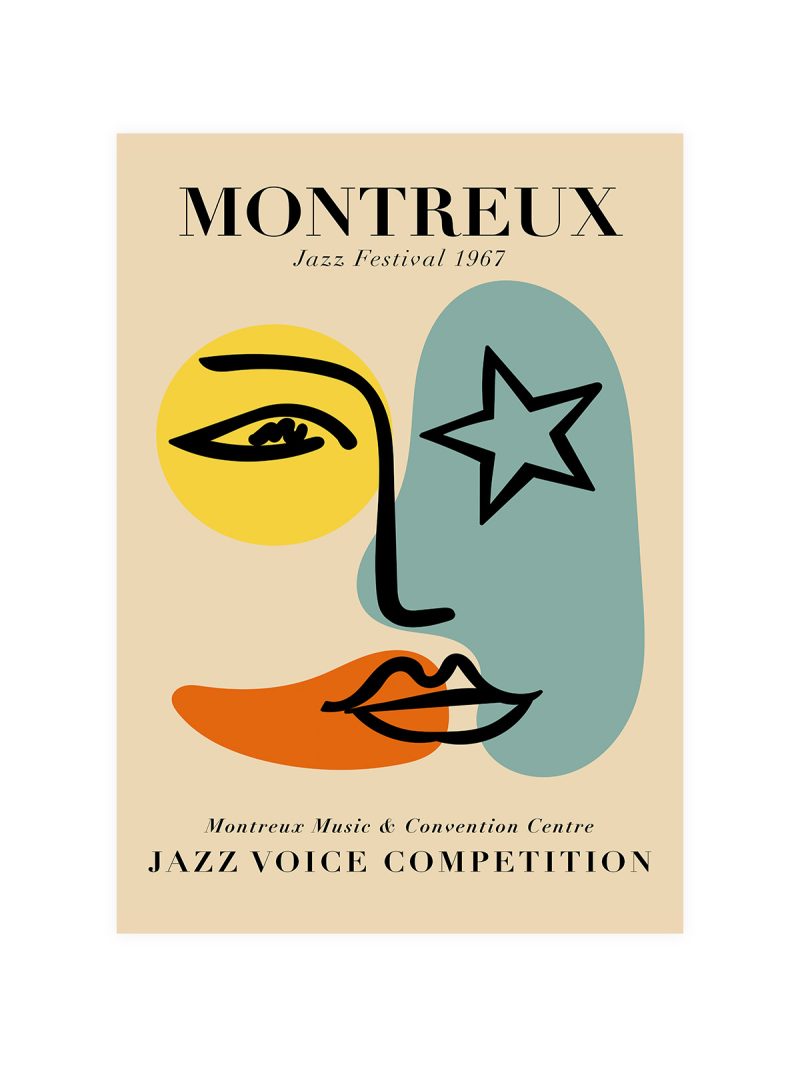
A specimen drawing at the centre of the sheet: careful line work, muted colour and lettering set in the manner of an old scientific plate. The drawing is descriptive rather than dramatic, the animal is recorded, not performed. Margins are wide and the composition is almost symmetrical.
Where it comes from
Natural history collections have published illustrated plates for three centuries and those plates became a graphic language of their own: precise, unemotional and built for reference rather than for decoration. When such collections began advertising themselves on the street, designers borrowed the language whole, because it signalled authority without needing a slogan.
On the wall
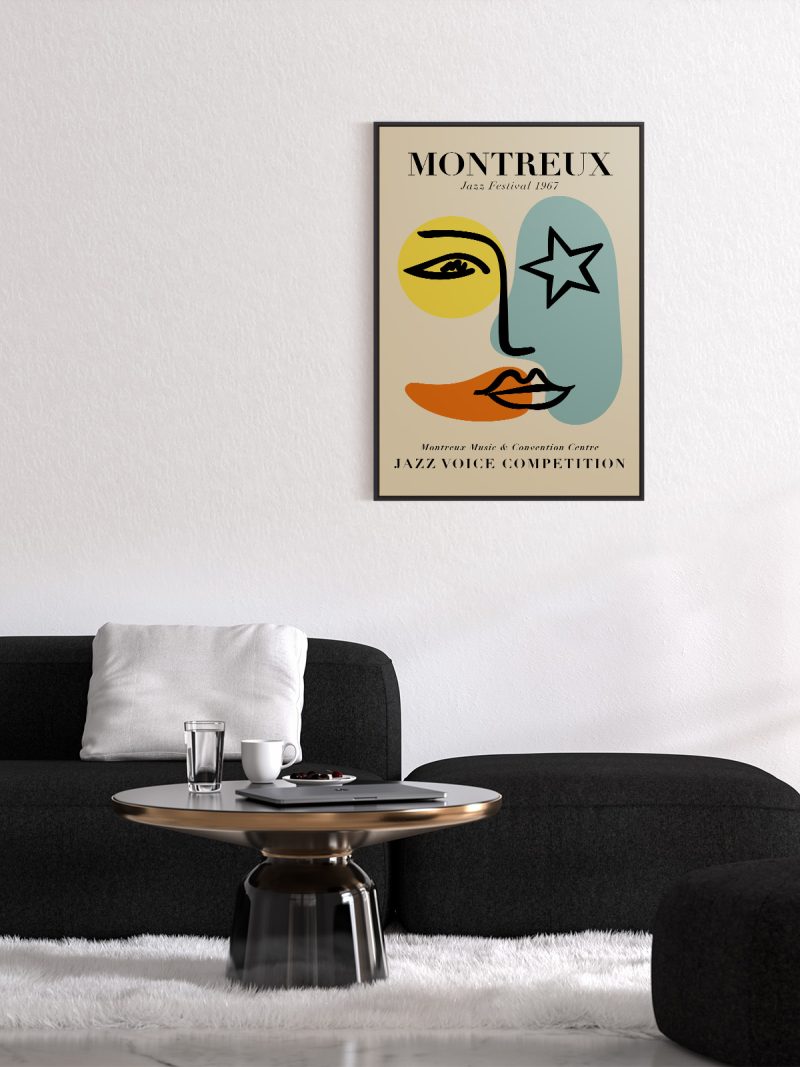
It behaves like a study print, which makes it easy to place: a hallway, a study, a child’s room or a wall of pictures where several plates hang together. Because the palette is muted, it sits comfortably beside almost any furniture and does not dominate. It also works well in a frame with a wide mount.
In company
Pairs well with botanical and anatomical prints and with anything made of pale wood. In a group of three or six. It looks like a page from a collection, which is exactly the effect the original plates were designed for. Avoid very saturated neighbours, which would flatten the drawing. Printing of this period is what the Exhibition collection is made of.