
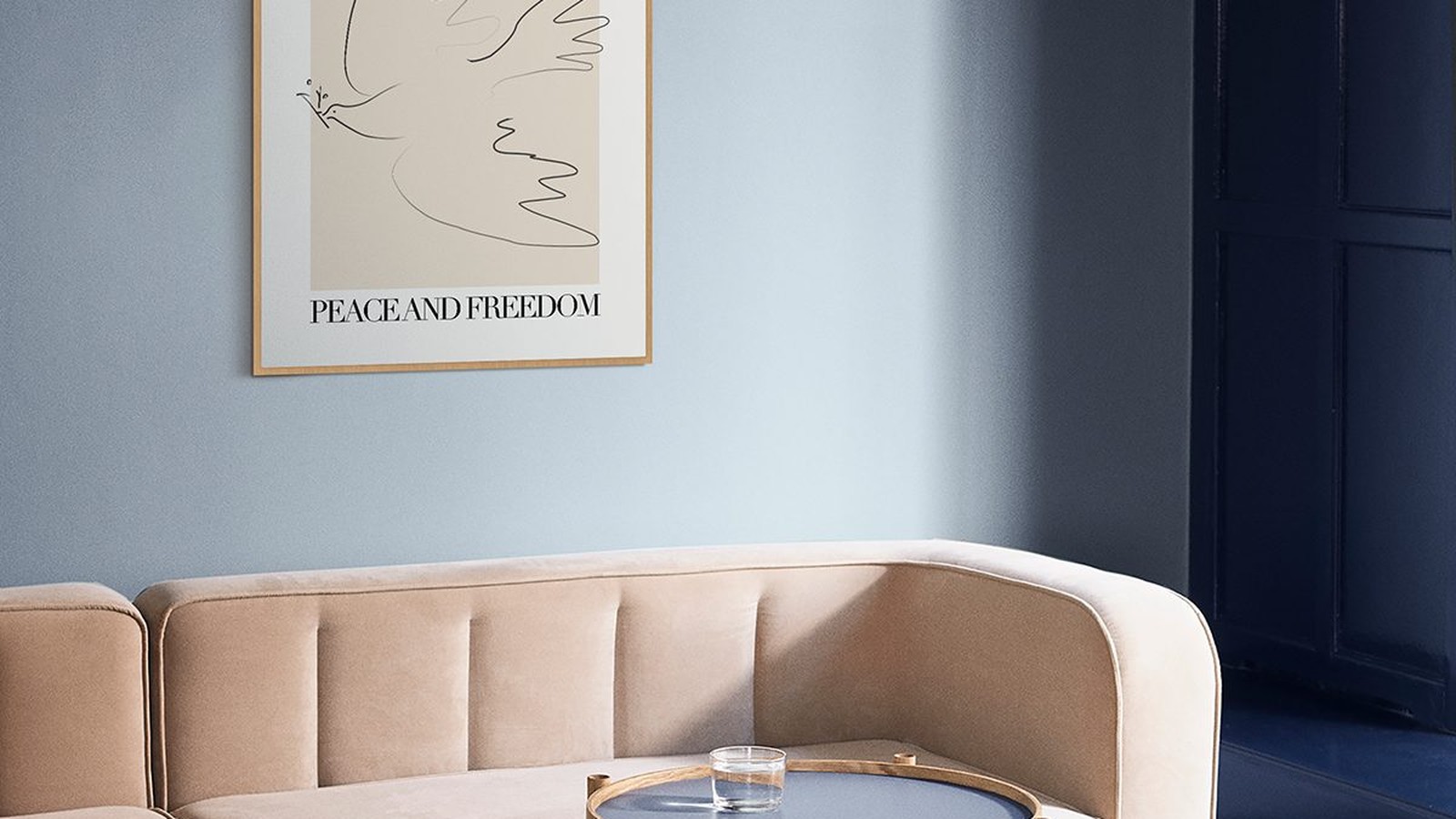
Picasso Posters and the Rooms They Suit
Few artists left behind so many different ways of seeing. A Picasso print can be a quiet blue figure or a face pulled apart into planes, and those two things do not belong on the same wall. Because we print several of them, we get asked the same question often. Which one goes where.
This is the short version, based on what the prints actually look like at 50 x 70 cm on a normal wall.
Three Picassos, three moods
Most of the Picasso works people ask for fall into three groups.
- The blue period. Cool, low contrast, a lot of empty space. It reads as calm and slightly melancholy, and it is the easiest to live with.
- The rose period. Warmer, softer, with pinks and earth tones. It works in rooms with wood and textiles, because the palette already sits close to them.
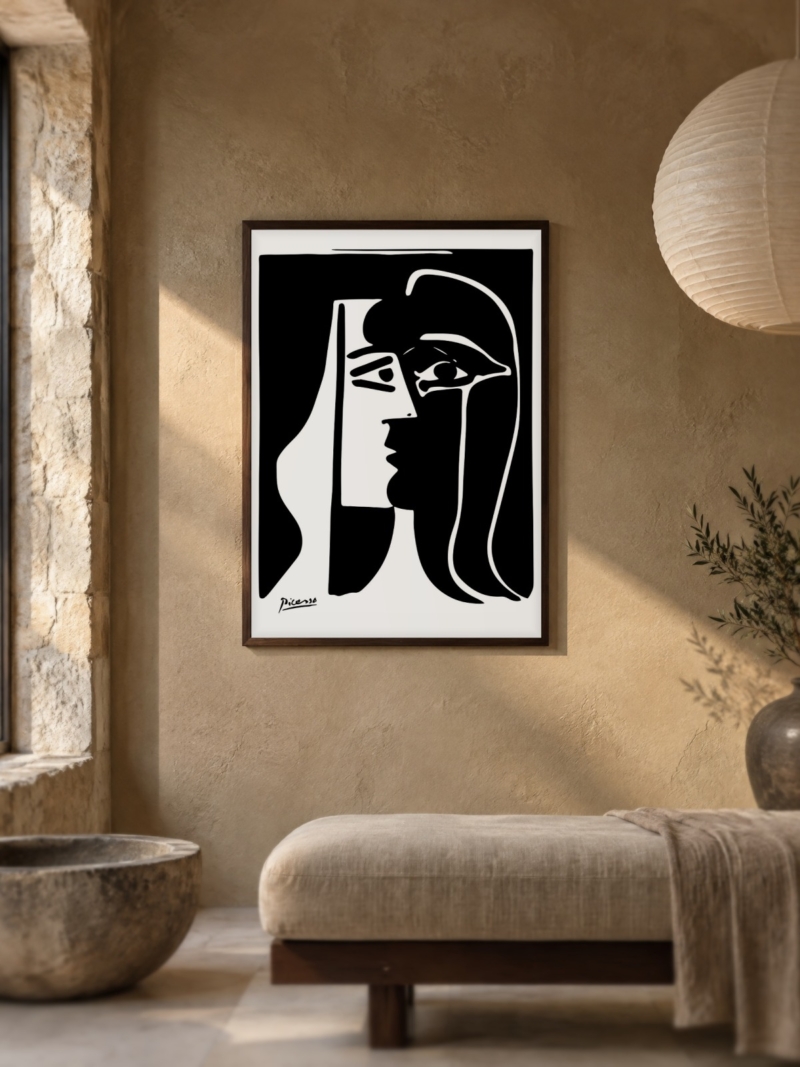
- Cubist compositions. Broken planes, several viewpoints at once, high contrast. These are graphic and they demand attention, so they need a wall that is not already busy.
Blue Picassos for bedrooms and calm corners
A blue figure on a pale wall is one of the few prints that genuinely lowers the temperature of a room. Put it where you sit quietly: a bedroom wall opposite the bed, a reading corner, the end of a corridor.
Keep the wall light. Blue against a warm beige or a terracotta will fight for attention, and both colours lose brightness. A white or pale grey wall lets the blue hold its depth.
Rose Picassos for living rooms with wood
Rose period works sit naturally above oak, walnut and linen. The palette is warm but muted, so it does not compete with the furniture, and it holds its own next to plants and ceramics.
A single large print over a sofa is the safest choice. If you want a pair, keep the gap at 5 to 8 cm and centre the pair on the sofa, not on the wall.

Cubist prints need empty space
A cubist composition is a dense image. On a wall with three other frames it becomes noise. On a wall with nothing else it becomes a decision, which is what you want.
Give it at least 60 cm of clear wall on both sides. In a small flat that usually means the wall above a sideboard rather than the wall above the sofa, because the sofa wall tends to collect everything.
Frames and how much they matter
Picasso’s line work is thin, so the frame should be too. A slim natural oak or a thin black frame keeps the drawing visible. A wide, heavy frame eats the edges of the composition and makes the print look smaller than it is.
Glass helps in kitchens and hallways where the print can be touched. Elsewhere it is optional, and a matte print without glass shows less reflection.
Sizes that suit a normal flat
At 50 x 70 cm a Picasso reads as part of the room. At 70 x 100 cm it becomes the feature of the wall, which suits a living room but overwhelms a small bedroom. If you are unsure, start at 50 x 70 cm and keep the surround empty.
The rest of our Picasso prints are in the Picasso collection.
Hanging height and the room around it
Every print in this collection follows the same rule as any other poster. The centre sits between 145 and 150 cm from the floor, and the bottom edge clears the furniture by 20 to 30 cm. What changes with Picasso is how much the print needs beside it, which is usually nothing.
If the wall feels empty above a low sofa, resist adding a second frame. Move the print down slightly, or go one format larger. A Picasso with clear wall around it looks intentional, while a Picasso squeezed between two other prints looks like one of a set, and it is not.
Living with a print that has opinions
Some prints become part of the background within a week. Picasso prints tend not to. The face, the line, the way the body is reduced to a few marks, all of it keeps pulling the eye back. That is the point, but it is worth knowing before you hang one above the place where you watch television.
Rooms that people describe as restful usually have the blue and rose works. Rooms where people want to look at something while they talk have the cubist ones. Both are good decisions, and they are different decisions.
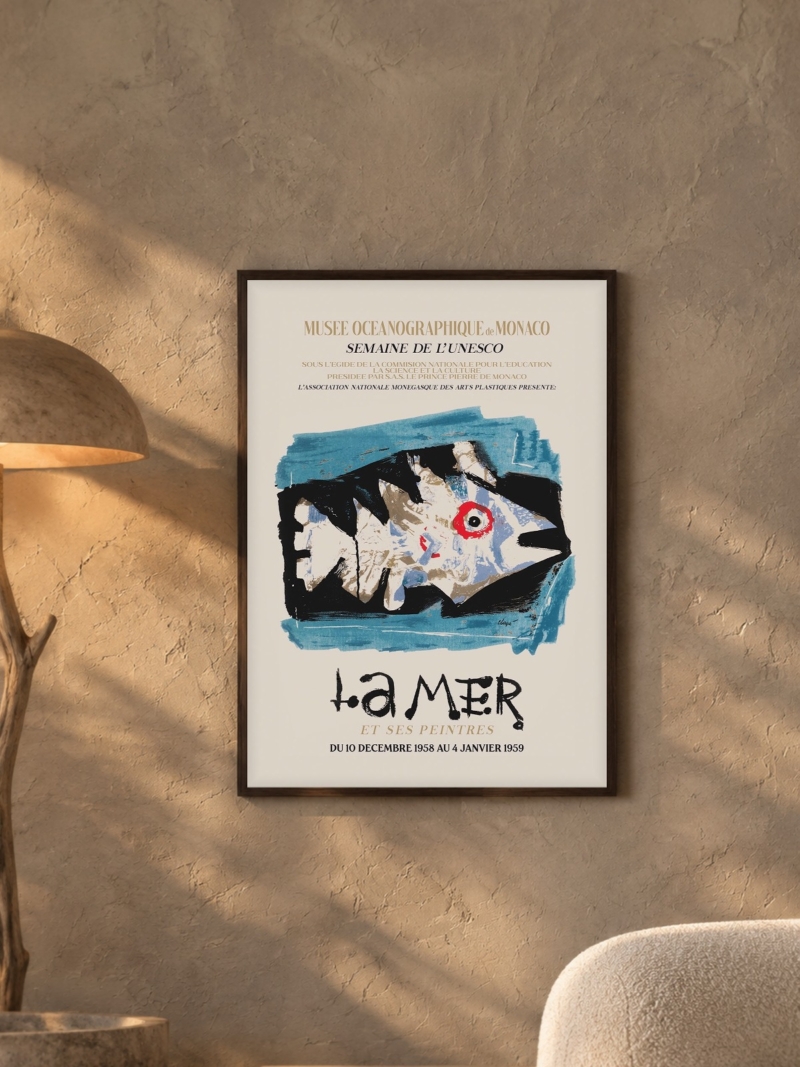
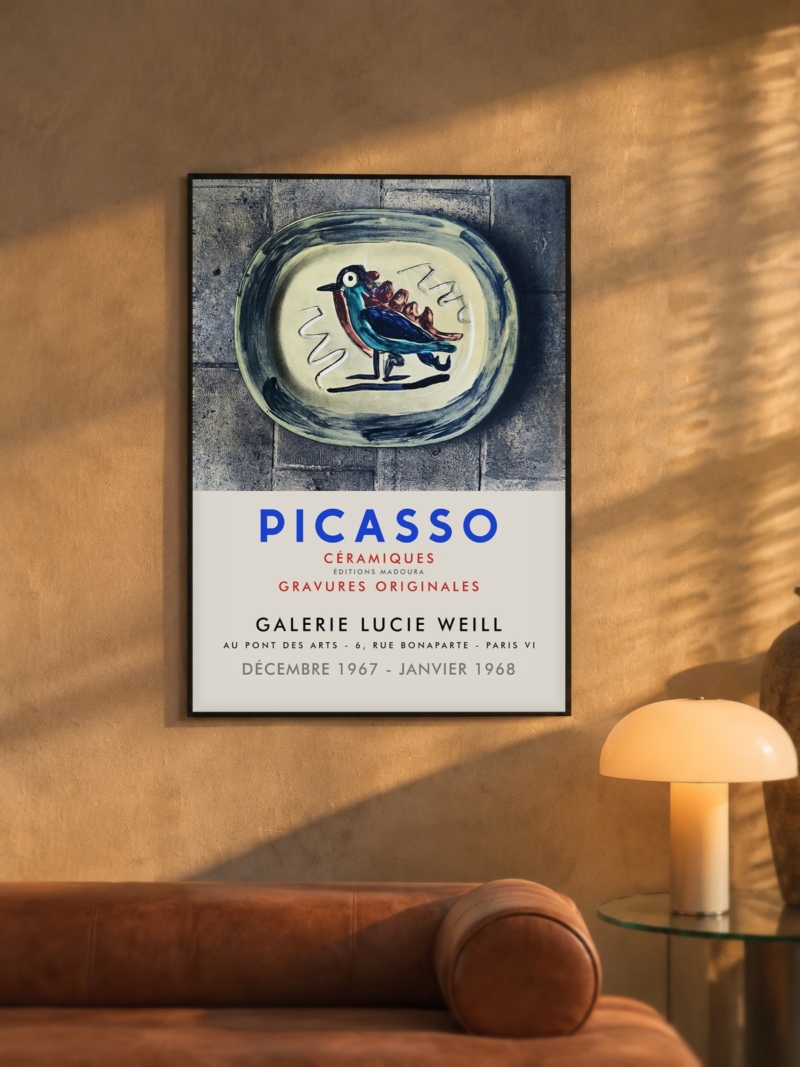
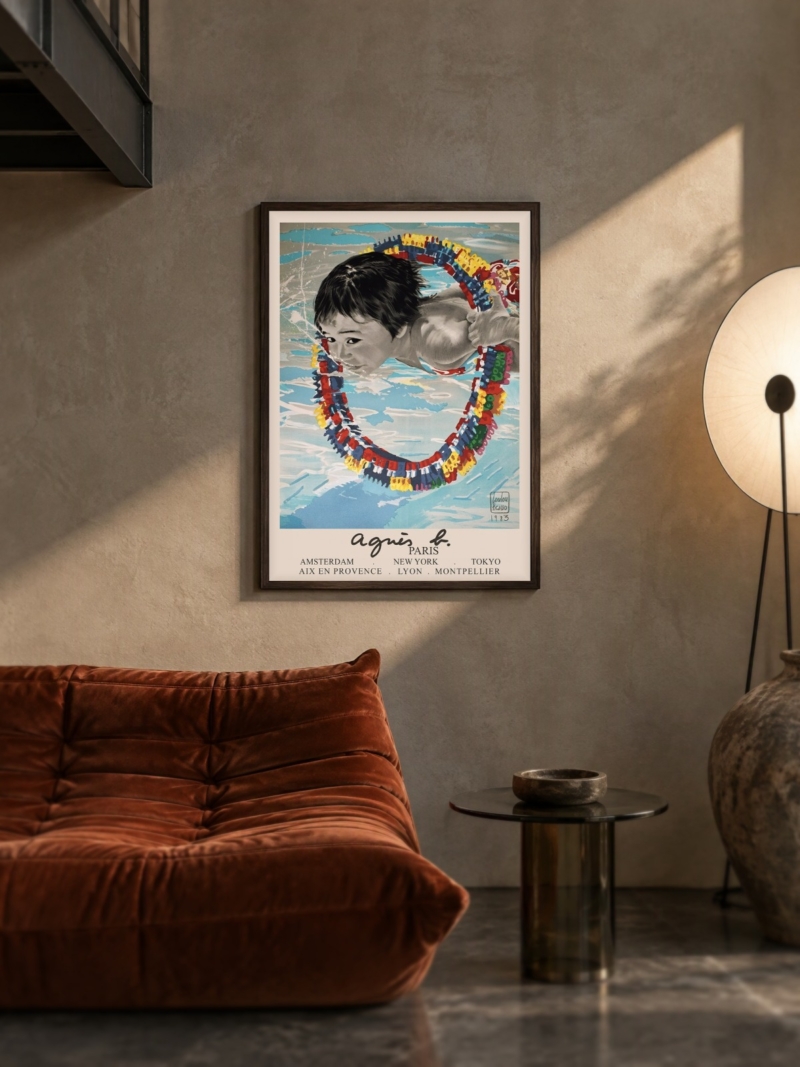
Prints From the Picasso Collection




FAQs
Is the poster a reproduction?
Yes. We print reproductions on matte paper, in the formats listed on each product page. We do not sell originals.
What size works best?
Above a sofa or a sideboard, 50 x 70 cm. On a wall of its own, 70 x 100 cm. Our guide to poster sizes lists every format with the space each one needs.